
Why Professional Results Go Beyond Everyday Effort, Professional cleaning
 McCarthy James2026-04-30
General cleaning kept coming up in conversations with homeowners and business managers, as if it were a standard request everyone understood. In practice, it was one of those services people assumed they could define from experience, until they had to look closer. Many relied on their usual routines and felt that was enough to keep a space healthy and presentable. On the surface, it often did look that way.
Over time, though, the gap between everyday upkeep and a professional general clean tended to show itself. Rooms that seemed fine at first glance could still hold what the eye didn’t catch, and tasks that sounded straightforward often revealed small, hidden complications once someone actually started working through them.
In this article, we’ll step in and observe how clients usually handle general cleaning on their own, the practical limits they tend to run into along the way, and how the professional method used by Magical Cleaning reshapes the day-to-day work and the outcome they’re left with.
How Clients Usually Perform General Cleaning
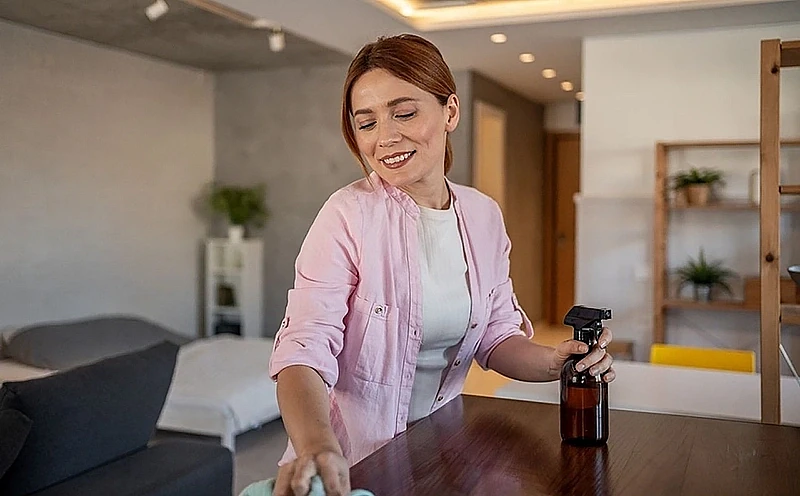
For most people, general cleaning slips into the week as a routine. It gets squeezed into a Saturday morning or a spare half hour after work, handled in short bursts between errands and responsibilities. The usual steps are familiar: wipe down what you can see, run the vacuum over the floors, and give the bathroom and kitchen a quick pass with whatever products are already under the sink.
On the surface, it seems to work. Counters look neat, the floors don’t show crumbs or grit, and the rooms feel put back in order. Still, there are practical reasons the results don’t always hold up for long, even when the effort is consistent.
Time is usually the first constraint. When cleaning has to be done fast, the focus naturally stays on the obvious spots. The areas that require moving things or reaching up—behind furniture, along baseboards, on top of cabinets, around vents—tend to be left for “next time.” As the weeks go by, dust settles in those places and builds quietly, and it starts to influence how clean the whole space actually feels.
The products used can be another limiting factor. General-purpose cleaners are made to be easy and broadly usable, not necessarily exact. They can handle light messes, but they may also leave a thin film behind. You might not notice it right away, yet it can catch dust and make surfaces seem like they get dirty again sooner than expected.
Technique matters as much as effort. It is common to see someone pour on too much cleaning solution, assuming extra product will automatically mean a better finish. What tends to happen instead is familiar: streaks form, surfaces stay tacky, and the result looks uneven. In a kitchen, the grease can end up getting pushed around rather than lifted away. In a bathroom, limescale might soften at the edges, yet still remain in place.
Vacuuming is another point where the limits show up. A typical household vacuum may not filter finely enough to hold on to the smallest dust particles. Some of that dust can slip through and return to the air, which quietly undermines indoor air quality.
Given enough time, these small issues add up, until cleaning starts to feel repetitive while delivering less and less. The room may seem presentable, but it does not quite reach that genuinely fresh, restored state.
How Magical Cleaning Performs General Cleaning
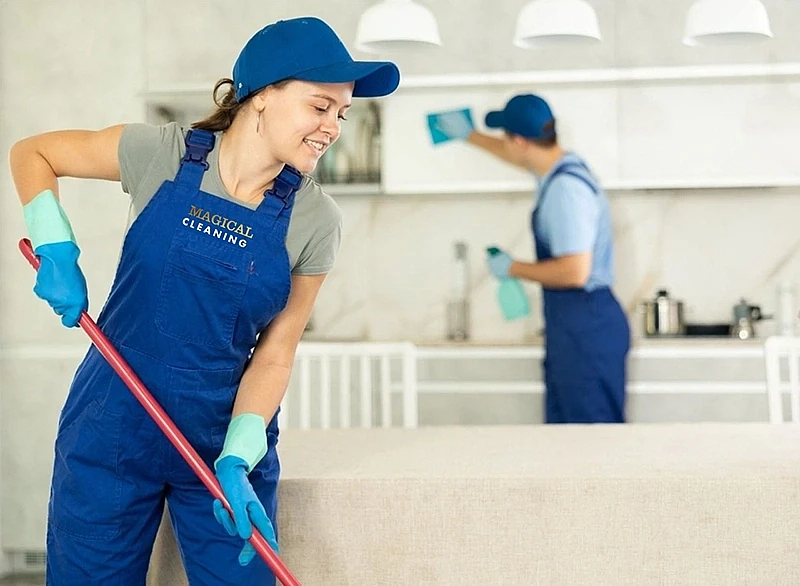
When a Magical Cleaning crew takes on a general cleaning job, the work starts well before anyone reaches for a tool. They begin with an assessment, walking the space to get a practical read on what kinds of contamination are present, what materials they’re dealing with, and which areas are likely to need extra care.
This isn’t handled like routine cleaning. Their general cleaning follows a set methodology, built to remove contamination in a deliberate sequence rather than just making the place look better on the surface.
They start with dry cleaning. Using professional vacuum systems with high-efficiency filtration, they lift dust and loose particles first. The point is simple: if that dust is left in place, moisture later can turn it into stubborn residue.
After the dry contamination is cleared, they move into targeted surface cleaning. Instead of relying on one all-purpose product, they choose solutions based on what they’re trying to remove. Kitchens call for degreasers, bathrooms for descaling products, and delicate surfaces are handled with neutral cleaners.
They control the application carefully. Technicians measure out appropriate amounts, then apply the solution in a way that gives it time to break down dirt without leaving anything behind. Once the surface has been treated, it’s wiped down and dried with professional materials chosen specifically to avoid fibers and streaking.
High-contact and high-impact areas don’t get a pass. Door handles, switches, edges, and corners are cleaned with the same attention as the most visible surfaces, so the result reads as both clean and hygienic.
They also make a point of covering areas that routine cleaning often skips. Skirting boards, upper surfaces, hidden corners, and the transitions where one material meets another are all included. By working through those zones, Magical Cleaning reduces the slow buildup of contamination that can undermine long-term cleanliness.
The Role of Equipment and Technique
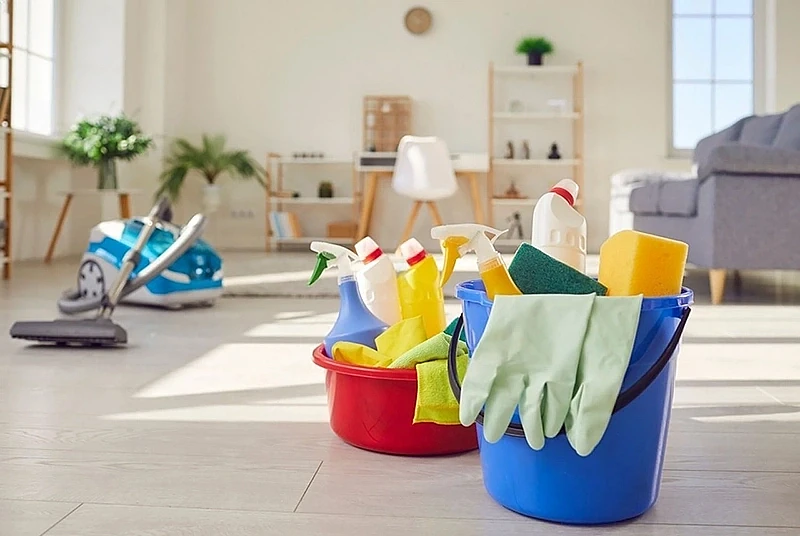
One of the clearest distinctions between doing the cleaning yourself and bringing in a professional service comes down to what’s in hand. At Magical Cleaning, the team shows up with equipment built for efficiency and accuracy, the kind that’s meant to do the job cleanly rather than just make things look better for a moment.
Their vacuum systems use advanced filtration, so fine dust is captured instead of being pushed back into the air. They lean on microfiber materials because those fibers hold onto grime, rather than dragging it from one spot to another. And when the situation calls for it, they switch to specialized tools so corners, edges, and other awkward spaces aren’t left as an afterthought.
How they work matters just as much as what they use. They move through the space in a deliberate order, with each step setting up the next. Dust comes off before any moisture goes down, which helps avoid streaks or that dull residue you notice later. They also work from the top down, so whatever gets dislodged doesn’t end up landing on surfaces that were already finished.
In day-to-day cleaning, that kind of coordination is hard to maintain. It’s easy to hop between tasks, repeat steps, or work without a clear sequence, and the results tend to reflect that.
Key Differences That Affect the Final Result

The difference between routine cleaning and professional general cleaning isn’t always obvious at first. It tends to reveal itself over time, especially when you pay attention to how long the place stays presentable, what the air feels like, and whether the space is genuinely comfortable to be in.
A key distinction is the depth of the work. With a professional clean, the focus isn’t limited to what you can see at a glance; it also includes the fine dust, residue, and buildup that settle in gradually. When those layers are addressed, the space typically holds its “clean” state for longer instead of slipping back into a dull or dusty feel a few days later.
Consistency also separates the two. Professional cleaning is usually carried out through a defined sequence, so the outcome is steady and repeatable. Routine cleaning, by comparison, can shift from one day to the next depending on how much time someone has, how tired they are, or which corners they decide to skip.
There’s also the question of protecting surfaces. When products and methods match the material, it reduces the risk of wear, discoloration, or damage. Over time, that care helps finishes keep their original look and condition rather than quietly degrading under repeated, improvised cleaning.
Finally, the environment itself tends to improve in noticeable ways. When dust and residues are properly removed, air quality can feel fresher, allergens may be reduced, and the space becomes easier to work in or live in without that lingering sense of staleness.
General cleaning can look straightforward, but reaching a genuinely high standard usually takes more than basic tools and occasional effort. Everyday routines do help keep things under control, yet they often miss what’s needed for deeper, longer-lasting results.
Magical Cleaning treats general cleaning as a professional process rather than a casual task. The work begins with an assessment, then relies on specialized equipment and careful technique, with the goal of leaving a space that looks clean while also feeling healthier and more comfortable.
Over the long term, this kind of approach can save time, help preserve surfaces, and support day-to-day well-being. The difference isn’t only in how the space looks right after cleaning, but in how it feels—and how long that result actually holds.
Dry Cleaning of Furniture by Magical Cleaning: Why Professional Care Matters
Soft furniture tends to take the most wear in any home or commercial setting. Sofas, armchairs, upholstered wall panels, and carpets are in constant contact with dust, skin oils, food crumbs, and the occasional spill. At first, these загрязнения can look like a small issue, but with time they work their way deeper into the fabric, changing how it looks and raising questions about hygiene. A lot of clients try to handle the problem on their own, yet what they get is often short-lived—or, in some cases, they end up harming the material.
In this article, we will follow the ways people typically try to clean upholstered furniture themselves, the difficulties they run into, and how Magical Cleaning carries out furniture dry cleaning at a professional standard.
How Clients Usually Clean Furniture Themselves
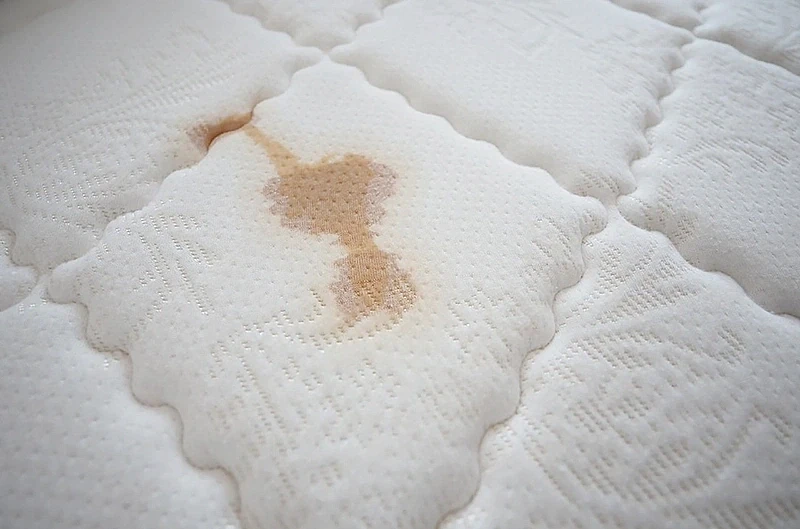
In most homes, furniture only gets cleaned once a stain is impossible to ignore. Someone notices a spill on the sofa, or a patch on the armrest that’s gone darker than the rest, and that’s usually what prompts them to do something about it. The next step is often the same: they grab a “universal” cleaner from the supermarket, trusting the label and assuming it’s suitable for any fabric.
They’ll typically spray or pour it straight onto the mark, work at it with a cloth or a brush, and keep wiping the area again and again. It can make the stain look lighter at first, but it seldom addresses what’s actually causing it.
A common problem is choosing the wrong product. Upholstery isn’t one material; it can be synthetic, natural, or a blend, and the differences matter. A cleaner that’s fine on one fabric may discolor another or weaken it. If no one stops to identify what the upholstery is, the chances of damaging it go up quickly.
Another issue is using too much liquid. Trying to “flush out” the stain, people often soak the area more than they realize. That moisture drives the contamination deeper into the padding, where it’s difficult to reach. When it dries, it can leave water rings, bring out unpleasant smells, and in some situations create conditions where bacteria can develop.
The amount of scrubbing is also part of the problem. Scrubbing feels productive, but it can break down fibers, change the texture, and leave the fabric looking worn in patches. Sometimes the cleaned spot stands out more than the stain ever did.
What tends to frustrate people most is when the stain seems to be gone, then reappears after everything dries. In those cases, the surface has been cleaned, but residue remains underneath and slowly works its way back up.
With enough repeats of this cycle, the fabric can start to fade, feel rough, and look generally tired. Something that began as a small, manageable mark becomes a lasting change in how the furniture looks.
How Magical Cleaning Performs Dry Cleaning of Furniture
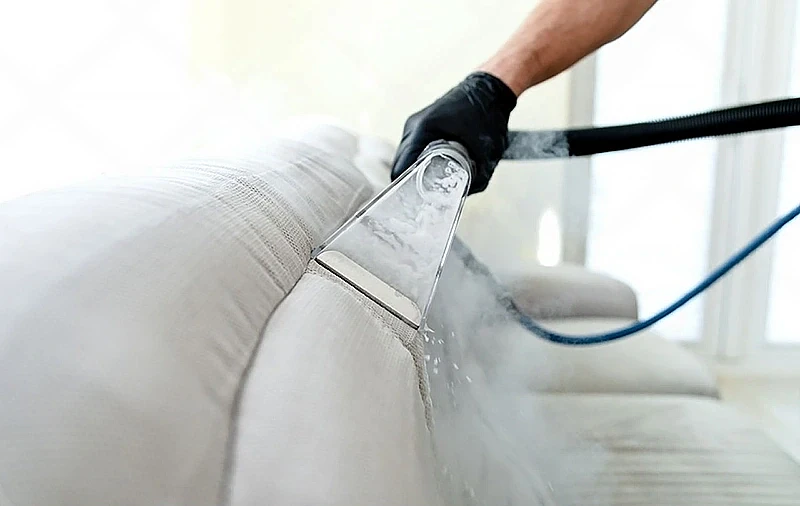
Professional furniture dry cleaning usually starts with a careful inspection. Technicians at Magical Cleaning take a close look at the upholstery fabric, consider what kind of contamination is present, and check the overall condition of the piece. Based on what they find, they decide which method to use and which products make sense for the job.
Compared with a DIY attempt, the work is not limited to what can be seen on the surface. They are trying to lift contamination that has settled deeper in the fabric, while still keeping the material’s structure and appearance intact.
The first step is often dry extraction. Using high-efficiency vacuum equipment, they remove loose dust and small particles. That matters because grit trapped in the fabric can behave like sandpaper and gradually speed up wear.
After that, they move to stain treatment. Rather than relying on one all-purpose cleaner, they select solutions that match the type of contamination, whether it is organic staining, grease, or dye transfer. The product is applied in measured amounts and given time to break down what is there at a molecular level.
The main part of the process is extraction cleaning. Specialized machines inject a controlled amount of cleaning solution into the upholstery and then pull it back out right away, taking dissolved soil with it. The intent is to remove contamination from the fabric, not push it around.
Moisture control is one of the practical benefits here. They use enough liquid to clean effectively, but avoid soaking the furniture. Drying tends to be quicker, and the likelihood of moisture-related damage is reduced.
Once cleaning is complete, the fabric is left in a more stable state, without lingering residues, odors, or excess moisture. In many cases, the upholstery’s original color and texture come back into clearer view.
Key Differences That Affect the Final Result
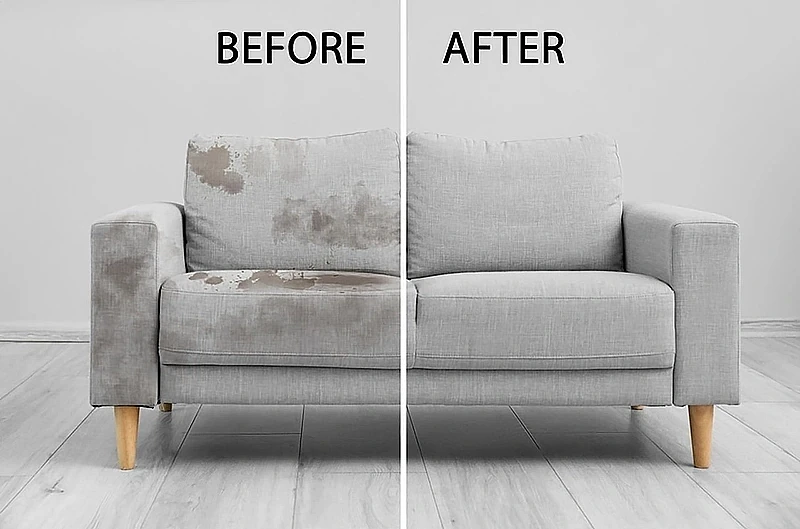
The gap between cleaning upholstery on your own and bringing in a professional for furniture dry cleaning is less about which tools are on hand and more about the mindset and method behind the work.
In practice, one of the biggest differences shows up in how deep the cleaning actually goes. At home, people usually end up treating what they can see, working on surface marks and obvious spots. A professional service, by contrast, is expected to draw out buildup from within the fabric itself. That deeper removal tends to hold up longer and makes it less likely that stains will creep back after a short time.
Fabric safety is another place where the approaches separate. Professional technicians work with the reality that different materials respond differently to moisture, chemicals, and agitation. With that in mind, they choose a process that cleans effectively while still staying within what the fabric can tolerate, so the cleaning doesn’t become the source of the damage.
Then there’s the issue of residue. When someone cleans at home, it’s easy to leave traces of detergent or spot remover behind, especially if there’s no way to properly extract it. Over time, that leftover product can attract dirt and leave the surface feeling slightly tacky. Professional extraction is designed to remove both the soil and the cleaning solution, so the fabric is left cleaner rather than coated.
There’s also a practical advantage in terms of the furniture’s lifespan. When abrasive particles stay embedded in upholstery, everyday use can grind them deeper into the fibers. By removing that grit and avoiding rough handling, professional cleaning can help the fabric keep its structure and appearance for longer.
Finally, professional cleaning tends to address hygiene and air quality more directly. Soft furnishings can hold allergens, dust, and bacteria, and a deeper process can remove more of what accumulates out of sight, which supports a healthier indoor environment.
Cleaning upholstered furniture can look simple at first glance, but getting a result that is deep, safe, and durable usually requires more than basic tools and general cleaners. DIY efforts may improve things temporarily, yet they often miss what’s driving the recurring problem and, in some cases, create issues that show up later.
Magical Cleaning treats furniture dry cleaning as a controlled, methodical process. The work begins with an assessment, then moves into using targeted solutions and specialized equipment, with the aim of cleaning beyond the visible surface so the upholstery is not only improved in appearance but also refreshed at a deeper level.
What that approach is meant to deliver is furniture that looks better, holds up longer, and supports a cleaner, healthier space, whether it’s a home or a workplace.
Cleaning of Tourist Flats by Magical Cleaning: Fast Turnover Without Compromise
Short-term rental properties run on tight schedules and, more often than not, even tighter expectations. Guests show up carrying hotel-level standards with them, while owners and hosts are watching the clock as they try to reset the space between bookings. From the outside, cleaning a holiday flat can look straightforward—swap the bedding, wipe down the surfaces, run the vacuum. Once you are responsible for turning the place over, though, it becomes clear it asks for much more. The state of the property can shift a lot from one stay to the next, and a missed detail that seems minor in the moment can easily turn into a poor review later.
If you want to see why professional cleaning can change the outcome, it helps to look at two common paths side by side: how hosts often handle cleaning themselves, and how Magical Cleaning takes on the same work using a more structured, technical process.
How Hosts Usually Clean Tourist Flats Themselves
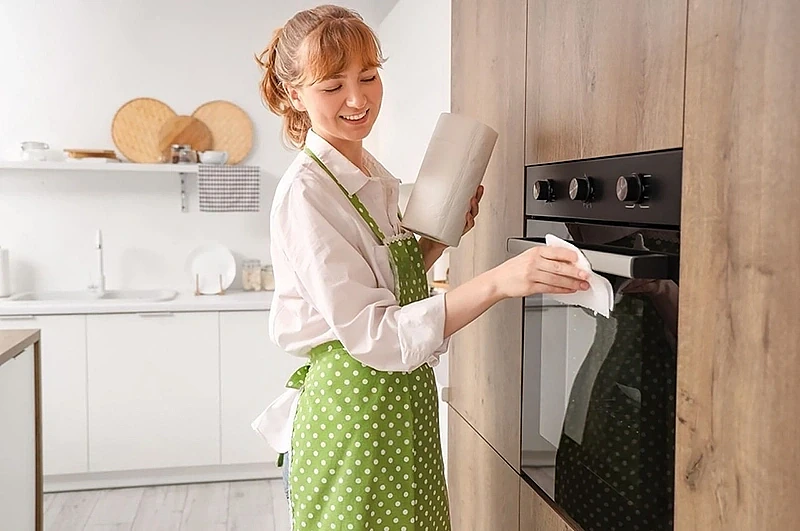
Many property owners end up doing the cleaning themselves, particularly in the early days. It usually starts with a sense of urgency: one set of guests checks out, and there’s only a short window before the next arrival. In that rush, cleaning turns into a list of tasks to get through rather than a process that’s managed from start to finish.
Most of the attention goes to what guests will notice right away. The beds get remade, towels are swapped out, counters and tables are wiped down, and the floors are vacuumed. If there’s enough time left, the bathroom and kitchen get a more careful pass. That can help the place look presentable at a glance, but it doesn’t always address the things that sit beneath the surface.
A major problem is inconsistency. Every group leaves a different footprint behind. Some stays barely change the space, while others come with spills, stains, and signs of heavier use. Without a method that’s applied the same way each time, it becomes hard to adjust to those differences in any reliable way.
Time pressure adds to it. When everything has to be done quickly, certain spots are easy to miss—under chairs and beds, inside appliances, and along the edges where dust and debris tend to collect. Those out-of-sight areas may not stand out on day one, but they build up and start to drag down the overall cleanliness.
Laundry can be another weak point. Sheets and towels might get washed, but that doesn’t always mean they’re handled with deeper hygiene in mind. If the process isn’t done carefully, odors can linger, and allergens or detergent residue can remain even when the fabric looks fresh.
Furniture brings its own set of complications. Upholstered pieces soak up spills and smells, and without the right tools, cleaning them thoroughly is difficult. Hosts may reach for standard household cleaners to treat a stain, only to find they’ve caused discoloration or pushed the stain outward instead of lifting it.
The end result is often a space that appears clean at first look but doesn’t hold up when someone pays closer attention. Over time, that gap can show up in guest feedback, ratings, and ultimately in how often the property gets booked.
How Magical Cleaning Performs Cleaning of Tourist Flats
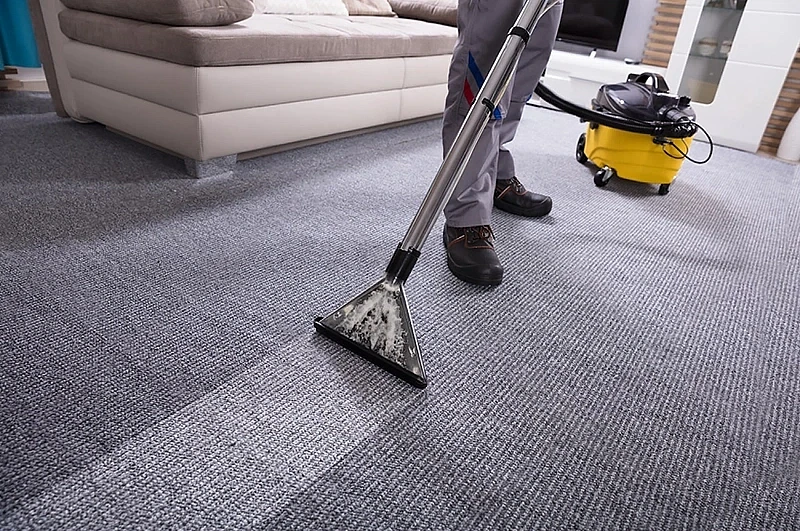
When Magical Cleaning is assigned a tourist flat, the work starts with a quick walk-through and a clear set of priorities. The team checks the overall condition, notes what needs attention first, and adjusts the plan to fit what they see on site instead of relying on a rigid routine.
They keep the process organized so it stays efficient without cutting corners. The first step is clearing loose dirt and mess. Dust, debris, and any visible waste are removed with professional vacuum systems and tools that pick up fine particles without spreading them around.
After that, they move into focused surface cleaning. Each part of the flat is handled based on how it’s used. In the kitchen, they work with degreasing products designed to lift both obvious grime and the thin residue that builds up over time. In the bathroom, they use descaling and sanitizing treatments to deal with mineral deposits and the hygiene requirements that come with heavy guest turnover.
They also make a point of covering the high-contact spots—door handles, light switches, remote controls, and similar touchpoints. These are easy to miss in everyday cleaning, but they matter when the goal is a dependable hygiene standard.
Laundry is treated as part of the overall presentation, not an afterthought. Bedding and towels are washed and processed so they come back fresh, free from leftover residues, and consistent in how they look and feel, which noticeably shapes a guest’s first impression.
If the flat has soft furnishings that need extra care, the team brings in specialized methods as required. When stains or odors show up, they apply targeted treatment and extraction cleaning to recover the fabric while keeping the material safe.
Window cleaning is often included or arranged alongside the visit. Clear glass lets in more light and makes the whole space read as cleaner, particularly in flats where the view and visual details are part of the appeal.
Before they wrap up, the team does a careful final inspection. They go back through the space to confirm nothing was missed and that the property meets the same standard every time. You can opt for a professional post-tourist clean if you want to get new guests settled in more quickly and ensure the highest possible standard of cleanliness.
Key Differences That Affect the Final Result
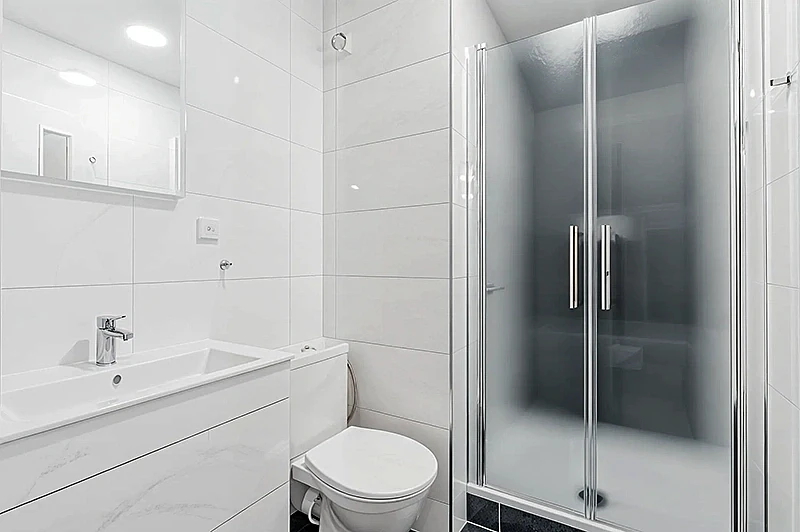
The gap between handling cleaning on your own and bringing in a professional service becomes easier to see once you watch what happens around a few practical points.
One of the clearest differences is consistency. With a professional crew, the work tends to follow a defined routine, so the outcome stays dependable even when the property is left in very different conditions from one stay to the next.
Another point is how deep the cleaning actually goes. A basic reset usually targets what you can see right away, but professional work is meant to reach the less obvious buildup as well, so the place is not just tidy but properly reset for the next guests.
Time also plays a big role. Trained teams move faster because they know the sequence and the tools, and that often makes it possible to turn a property around on a tight schedule without cutting corners.
Hygiene standards typically rise with professional cleaning. Laundry is handled with more care, high-touch areas are treated systematically, and air quality is taken into account, which helps the space feel safer and more comfortable for guests.
Guest perception shifts, too. When a property has been professionally cleaned, it tends to feel lighter and more inviting the moment someone walks in, and that first impression often shows up later in reviews and in how much trust visitors place in the host.
Removing particularly stubborn stains in rented flats
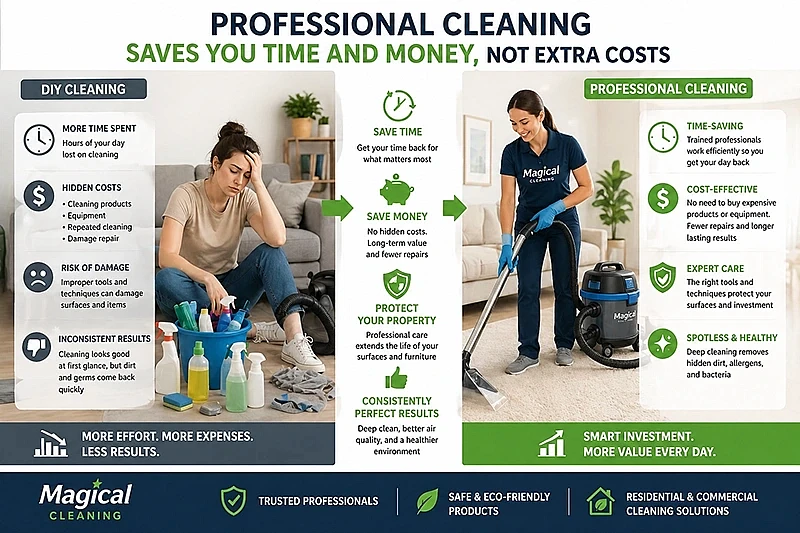
Cleaning a tourist flat is not only about getting the room ready, it is part of delivering the stay itself. Managing it yourself can keep things in order, but in the short-term rental world it may struggle to match the steadiness and depth guests have come to expect.
Magical Cleaning treats the work as a process that needs accuracy, structure, and flexibility. By relying on professional equipment, using methods suited to specific issues, and paying close attention to details, the company aims to leave each property ready for what modern travelers look for.
In a competitive rental market, the distance between “fine” and “excellent” often comes down to cleanliness. Professional cleaning can save time, and it can also help protect the property’s reputation and its longer-term performance.
Today we’ve gone over the three most common services and tried to make sense of what it looks like to clean your home yourself, and how that compares with what a professional company does. Even so, this does not cover everything we offer. You can view the full list of our services here.
