
The Secrets of Effective DIY Cleaning - And Why Professional Cleaning Still Wins in the End
 McCarthy James2026-03-31
Keeping a home or workspace clean is something most people consider a basic responsibility. However, achieving a truly high level of cleanliness is far more complex than it seems. While many people regularly clean their homes using standard tools and products, the results often fall short of expectations. Dust returns quickly, stains reappear, and certain areas never feel completely fresh.
In this detailed guide, we will explore the real secrets of effective DIY cleaning, showing how to clean rooms, kitchens, bathrooms, toilets, and windows using accessible methods. At the same time, we will explain the limitations of self-cleaning and why, in many cases, professional services like those offered by Magical Cleaning remain the most reliable solution.
Understanding the Basics of Effective Cleaning
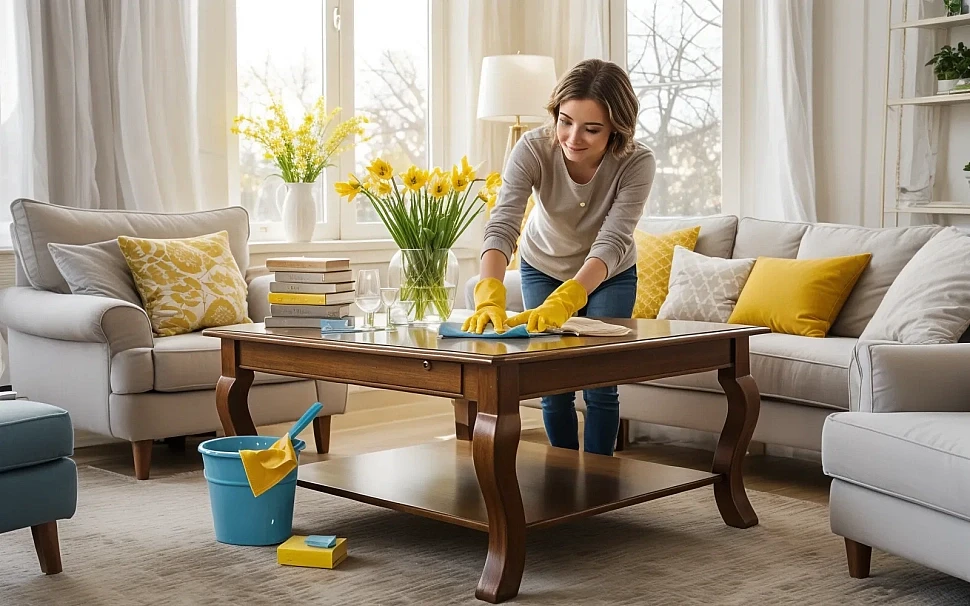
Before diving into specific areas, it is important to understand a fundamental principle: cleaning is not just about removing visible dirt. It is about eliminating contamination at different levels — surface, embedded, and microscopic.
Most DIY cleaning focuses on appearance. However, true cleanliness requires:
- proper sequence
- correct tools
- controlled use of cleaning agents
- consistency
Without these elements, even the most dedicated effort can lead to disappointing results.
Cleaning a Room: More Than Just Tidying Up
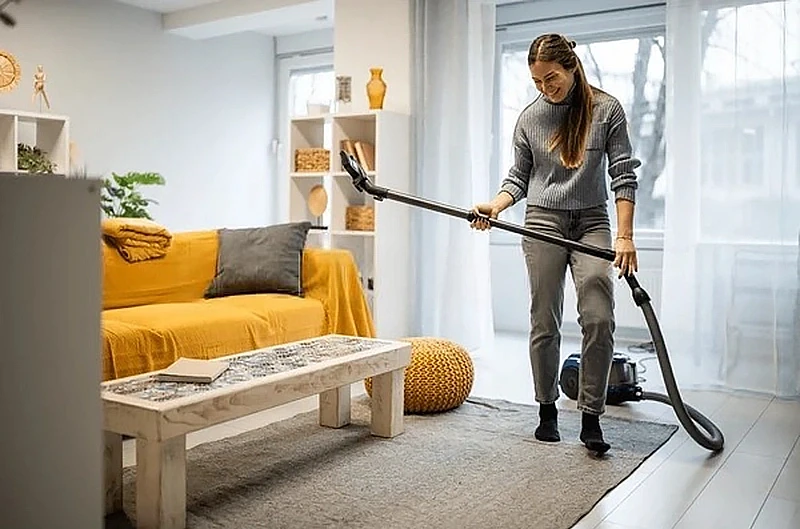
A typical living room or bedroom may look clean after a quick tidy, but dust and contaminants accumulate continuously.
The most effective approach begins with decluttering. Removing unnecessary items allows access to surfaces that are often neglected. Once the space is clear, cleaning should always follow a top-to-bottom method. This prevents dust from falling onto already cleaned areas.
Dusting should be done using slightly damp microfiber cloths. Dry dusting often spreads particles into the air rather than removing them. Special attention should be given to shelves, electronics, and decorative items, where dust tends to settle.
Vacuuming is another critical step. It is not enough to clean only visible areas. Edges, corners, and spaces under furniture must be included. These are the zones where dust accumulates the most.
Finally, surfaces such as tables and handles should be wiped with appropriate cleaning solutions to remove both dirt and bacteria.
Even when performed correctly, DIY room cleaning has limitations. Standard vacuums and cloths cannot fully remove fine particles embedded in fabrics or carpets, which is why dust often returns quickly.
More detailed instructions for this type of cleaning
Before we mix a single spray bottle, you need to change how you think about cleaning.
The 80/20 Rule of Dirt: 80% of the visible dirt comes from 20% of the surfaces (door handles, light switches, remote controls). Professionals clean top-to-bottom, left-to-right, and dry-to-wet.
The "Dwell Time" Secret: Most people spray and wipe instantly. Wrong. Professionals spray and wait (dwell time). Chemical reactions need 30 seconds to 3 minutes to break down grease and limescale. Go make a cup of Barry’s Tea while the bleach works.
The Tools > The Brand: You don’t need fancy chemicals. You need:
- Microfibre cloths (yellow for glass, blue for wet, pink for polish – colour code them).
- A squeegee (the €5 one from Mr. Price works perfectly).
- A stiff nylon brush (old toothbrush).
- Baking soda (sodium bicarbonate).
- White vinegar (distilled).
- Washing up liquid (Dawn or Fairy).
Kitchen Cleaning: The Challenge of Grease and Residue
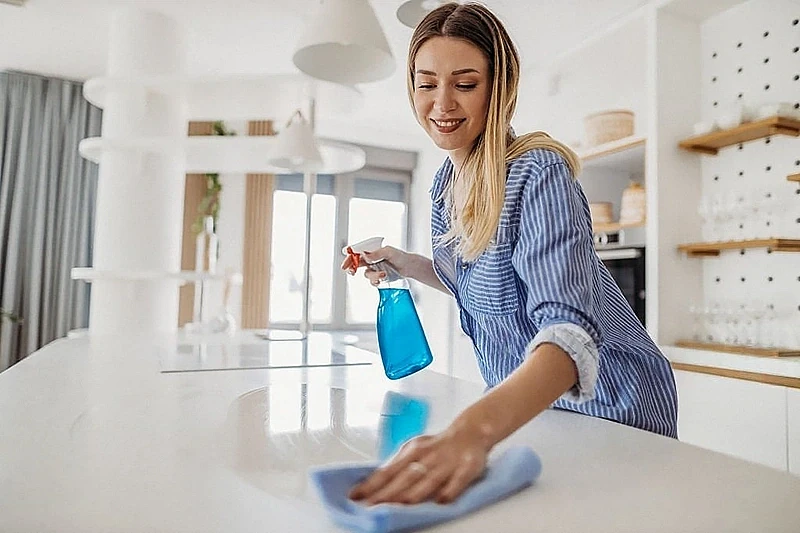
The kitchen is one of the most complex areas to clean due to the presence of grease, food residues, and moisture.
Grease is particularly problematic because it accumulates gradually and becomes sticky over time. It is often invisible at first but eventually forms a layer that attracts dust.
To clean effectively, surfaces should be treated with degreasing agents. Even simple solutions like warm water with a small amount of dish detergent can help break down grease if used correctly.
Cabinets, countertops, and appliances require careful attention. It is important to allow cleaning solutions to sit briefly on surfaces — this process, known as dwell time, helps dissolve contaminants.
Stovetops and extractor fans are especially challenging. Grease accumulates heavily in these areas and often requires repeated cleaning.
Another important aspect is avoiding excessive water. Too much moisture can damage materials and spread dirt instead of removing it.
Despite best efforts, DIY kitchen cleaning often leaves behind microscopic grease residues that continue to attract dirt.
Let’s focus on the details for a moment
The Stovetop (Hob) Deep Clean:
Gas hobs: Remove the grates. Soak them in the sink with boiling water and a dishwasher tablet for 30 minutes. The baked-on carbon slides right off.
Ceramic/Induction: Do not use standard cream cleaner (it causes micro-scratches). Use a razor blade scraper (flat, 15-degree angle) for burnt-on sugar or milk. Follow with a mix of vinegar and water.
The Microwave (The Bowl Method):
Never scrub a microwave again.
- Put a bowl of water with a sliced lemon (or 2 tbsp vinegar) inside.
- Microwave on high for 3 minutes.
- Let it sit for 2 minutes (steam is condensing).
- Wipe. The grime wipes off like butter.
Degreasing the Extractor Fan Filter:
These are usually black and sticky.
The Secret: Boil them.
Fill your largest pot with water. Add 1/2 cup of baking soda. Submerge the metal filters. Boil for 15 minutes. The grease melts and floats to the top. Rinse and dry.
The Sink (Shiny like new):
If your stainless steel sink looks dull: Sprinkle baking soda all over the wet sink. Use a lemon half as a scrubber. Scrub in circles. Rinse. The acid and alkali react to fizz away limescale and polish the steel.
Bathroom and Toilet Cleaning: Hygiene and Mineral Deposits
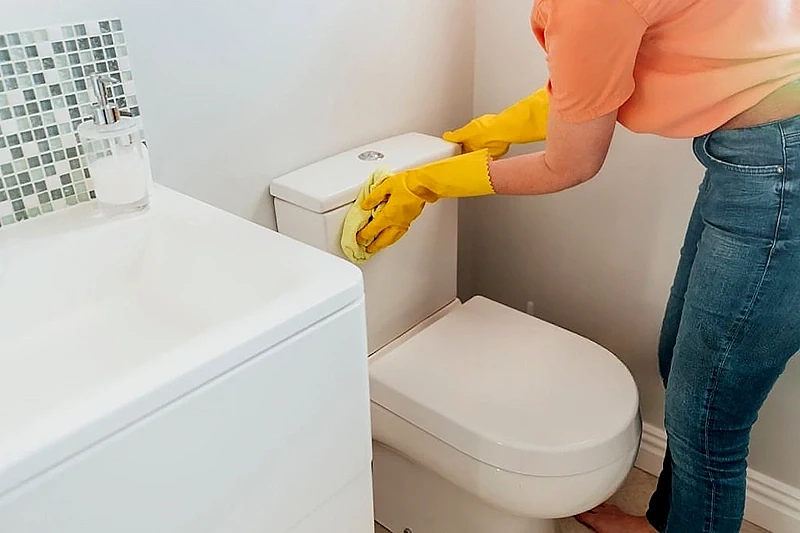
Bathrooms and toilets present a unique combination of challenges: moisture, bacteria, and mineral buildup.
Cleaning these areas effectively requires both removal of visible dirt and control of microbial contamination.
Tiles, sinks, and bathtubs often develop limescale due to hard water. Mild acidic solutions can help dissolve these deposits, but they must be used carefully to avoid damaging surfaces.
Toilets require regular disinfection, especially in high-contact areas. However, many people underestimate the importance of cleaning surrounding surfaces such as flush handles and nearby walls.
Ventilation also plays a role. Poor airflow leads to moisture accumulation, which can contribute to odors and mold growth.
DIY cleaning can maintain basic hygiene, but without professional tools and products, it is difficult to achieve a deep level of sanitation.
Let’s see how we can do this ourselves
The Vinegar Toilet Trick
The Mistake: Scrubbing the bowl and flushing immediately.
The Secret: The overnight soak.
Turn off the water supply to the toilet (the little valve behind it). Flush to empty the bowl.
Pour 1 liter of white vinegar directly into the bowl. Take a roll of toilet paper and drape it over the limescale rings inside the bowl (the paper holds the vinegar against the stain). Leave overnight.
In the morning, remove the paper and scrub. The limescale turns to powder.
Shower Head Scaling
If your shower pressure is weak because of limescale:
Fill a plastic bag with vinegar. Tie it around the shower head with a rubber band. Leave for 2 hours. Run the shower to flush out the white chunks.
Grout (The Toothpaste Hack)
Dirty grey grout makes a clean bathroom look filthy.
The Secret: Whitening toothpaste (not gel).
Squeeze toothpaste onto an old toothbrush. Scrub the grout lines. The mild abrasives and hydrogen peroxide in the toothpaste bleach the grout white. Wipe with a damp cloth.
Glass Shower Doors (The Car Wax Method)
After you have cleaned the glass with vinegar to remove soap scum:
Apply a thin layer of car wax (the spray kind) to the glass. Buff it off.
Why: It creates a hydrophobic barrier. Water beads and rolls off, meaning no water spots until your next deep clean.
Window Cleaning: Achieving a Streak-Free Finish
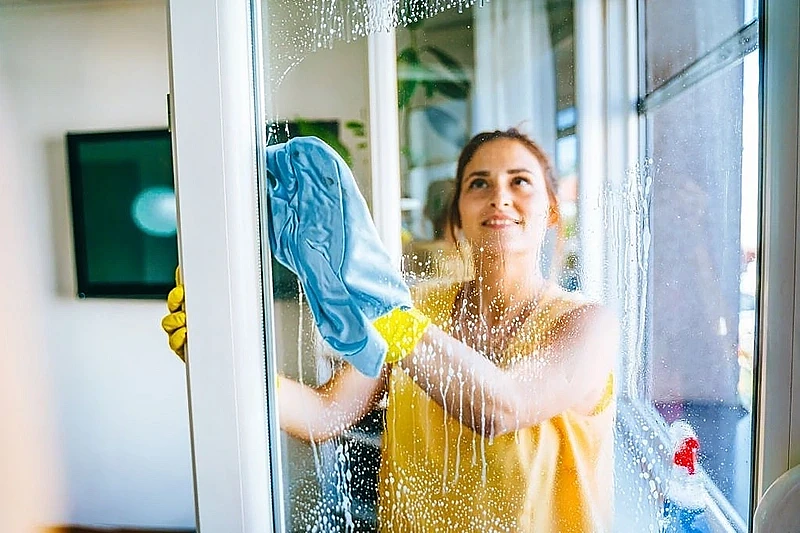
Cleaning windows may seem simple, but achieving a truly clear, streak-free result is often frustrating.
The key is using the right amount of cleaning solution and the correct technique. Too much liquid can leave streaks, while too little may not remove dirt effectively.
A common mistake is cleaning windows in direct sunlight. This causes the solution to dry too quickly, leaving visible marks.
Proper technique involves wiping or squeegeeing in a consistent direction and finishing with a dry cloth to remove residual moisture.
Even with careful effort, DIY window cleaning often fails to achieve the clarity that professional equipment can provide.
Common Mistakes in DIY Cleaning
Despite good intentions, many people unknowingly make mistakes that reduce cleaning effectiveness or even cause damage.
One of the most frequent issues is using the wrong products. Not all cleaning agents are suitable for all surfaces. Incorrect choices can lead to discoloration or residue buildup.
Another mistake is overusing chemicals. More product does not mean better results — it often leads to sticky surfaces that attract dirt.
Improper techniques, such as scrubbing delicate materials or using excessive water, can damage furniture and fabrics.
Time pressure also leads to incomplete cleaning, with important areas being skipped.
The Risk of Damaging Furniture and Carpets
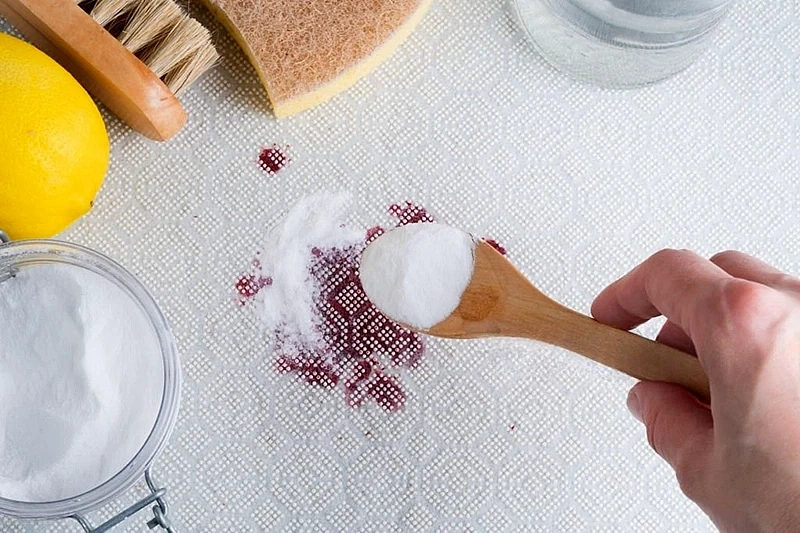
One of the most serious consequences of DIY cleaning is damage to soft materials such as upholstery and carpets.
These materials absorb liquids and contaminants deeply into their structure. Attempting to remove stains without proper knowledge can push them further inside.
Using incorrect cleaning agents can cause:
- permanent stains
- discoloration
- fabric damage
- lingering odors
For example, applying water to certain stains can fix them permanently, while aggressive scrubbing can damage fibers.
In many cases, clients contact professionals only after unsuccessful attempts have made the situation worse.
Why Professional Cleaning Is the Better Choice
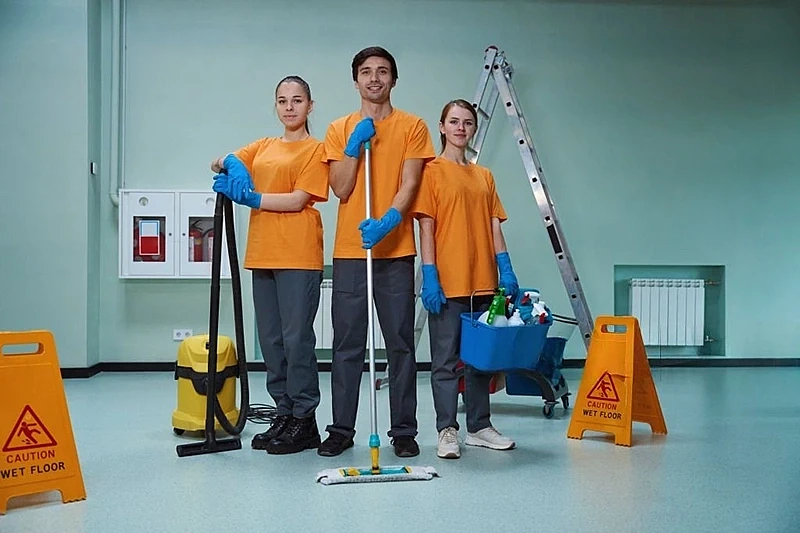
While DIY cleaning can maintain basic order, it has clear limitations. Professional cleaning services, such as those provided by Magical Cleaning, offer several key advantages.
First, professionals use advanced equipment capable of removing deep contamination. High-efficiency vacuum systems, extraction machines, and specialized tools deliver results that are not achievable with household equipment.
Second, they apply technical knowledge. Different surfaces and materials require different approaches, and professionals understand how to treat each case correctly.
Third, professional cleaning saves time and ensures consistency. Instead of spending hours on repetitive tasks, clients receive reliable results.
Finally, professional cleaning helps protect property. Proper maintenance extends the lifespan of materials and prevents long-term damage.
Why Magical Cleaning?
- South-East Local: We offer our services in Kilkenny, Portlaoise, Waterford, Carlow and Tipperary.
- Insurance: If we accidentally scratch a floor (we won't), we pay for it. If you scratch it, you pay for it.
- Certified: We are trained in IICRC (Institute of Inspection Cleaning and Restoration Certification) standards. We don't guess. We know.
Stop scrubbing. Start living.
Call Magical Cleaning today. Whether you are in Waterford City, Clonmel, New Ross, Gorey, or Carlow town – we bring the magic, you keep the calm.
DIY cleaning plays an important role in maintaining everyday order. With the right approach, it is possible to achieve good results in rooms, kitchens, bathrooms, and windows.
However, true cleanliness requires more than effort. It requires knowledge, technique, and the right tools.
Our advice: for the health of your family, the lifespan of your carpets, the safety of your oven, and the preservation of your soft furnishings – leave it to the professionals.
Magical Cleaning provides a professional solution that goes beyond surface-level cleaning. By combining expertise with advanced equipment, the company ensures a higher standard of hygiene, comfort, and long-term value.
In the end, the smartest approach is not choosing between DIY and professional cleaning, but understanding when each is appropriate. For everyday maintenance, simple methods may be enough. But when it comes to achieving a truly clean and healthy environment, professional cleaning remains the most effective and reliable choice.
Regular cleaning in Kilkenny: an example of our specialists’ work
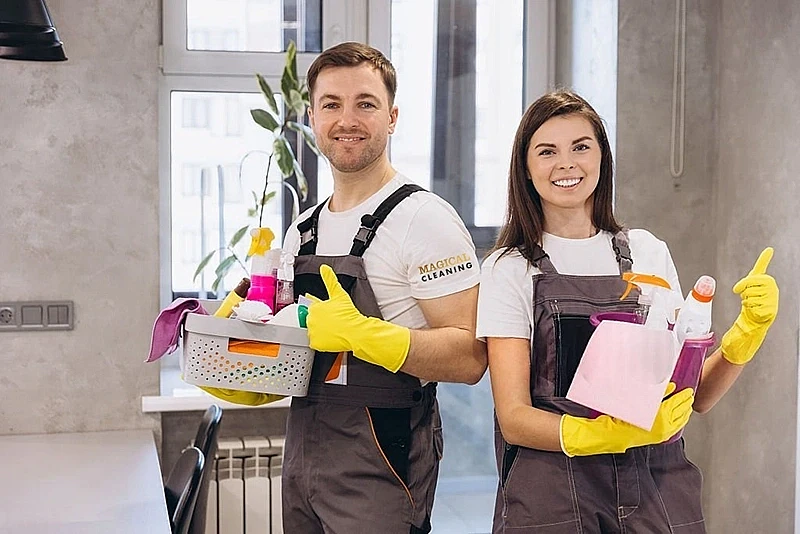
Name: Seán O’Connor
Work experience: 6 years.
Regular cleaning is one of the services I perform most often, and while it may sound routine, in practice it requires a very precise and consistent approach to maintain a high standard.
One case that stands out involved a family home on the outskirts of Kilkenny. The clients contacted us because they felt like they were constantly cleaning, but their house never actually felt fully clean. When we arrived, the space looked tidy — toys were put away, surfaces were cleared, and nothing seemed obviously dirty. But from a professional perspective, it was clear that the issue wasn’t effort, it was method.
The first thing I noticed was a thin layer of dust on horizontal surfaces, especially on shelves, door frames, and light fixtures. This usually happens when dusting is done quickly or with dry cloths that simply move particles around instead of capturing them. In the living room, soft furniture looked clean, but when we checked more closely, there was embedded dust along seams and edges — a typical sign of incomplete vacuuming.
We started with a structured Regular Cleaning process. For us, consistency is everything, so we always follow the same sequence. First, we carried out dry vacuuming using professional equipment with high-efficiency filtration. This step removes not just visible dirt, but also fine particles that affect air quality. It’s something most household vacuums struggle to do properly.
After that, we moved to dust removal using slightly damp microfiber cloths. This is important because microfiber actually traps dust instead of spreading it. We worked from top to bottom, making sure that anything dislodged during cleaning would be removed later in the process.
In the kitchen, the main issue was a gradual buildup of grease. The clients cleaned regularly, but standard products and quick wiping weren’t enough to fully remove the thin film that forms over time. We used a controlled amount of professional cleaning solution and allowed it to sit briefly before wiping it away. That small detail — giving the product time to work — makes a huge difference.
The bathroom required a different approach. There were early signs of limescale on fixtures and a slight residue on tiles. These are things that don’t disappear with quick cleaning. We treated the surfaces carefully, focusing on areas where moisture tends to accumulate, like corners and joints.
One of the most important parts of Regular Cleaning is attention to detail. We always check areas that are often missed — behind doors, along skirting boards, and around switches and handles. These small details are what separate a basic clean from a professional one.
By the time we finished, the change was subtle but very noticeable. The house didn’t just look clean — it felt fresh. The air was lighter, surfaces were smooth without residue, and there was a sense of order that hadn’t been there before.
What the clients told me afterward really stayed with me. They said, “We’ve been cleaning all the time, but this is the first time the house actually feels clean.” That’s something I hear quite often. Regular cleaning done professionally isn’t about doing more work — it’s about doing it correctly and consistently.
For me, that’s what this job is about. It’s not just maintaining a space, but creating an environment where people feel comfortable every single day without having to think about it.
What services can we offer in Kilkenny, Portlaoise, Waterford, Carlow and Tipperary?
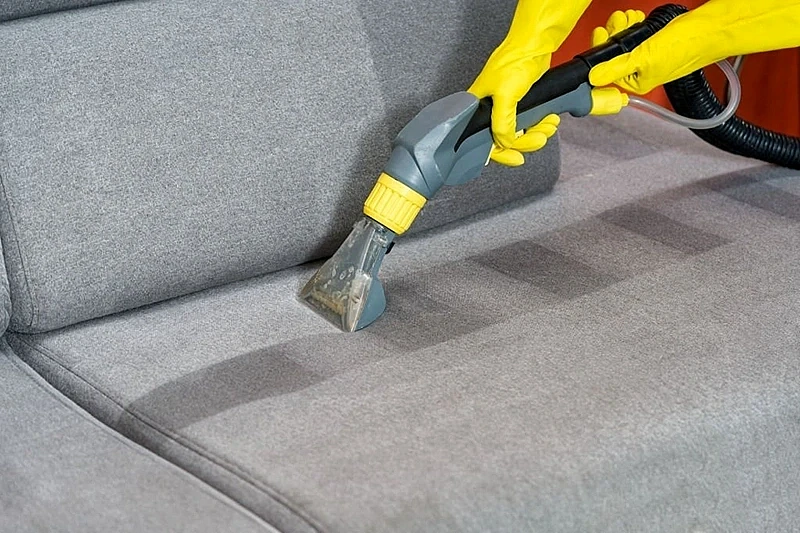
We are a professional cleaning company with extensive experience and state-of-the-art technology. We offer a full range of services to remove all types of dirt and grime from flats, houses and commercial premises. Here is a full list of our services.
- Regular cleaning
- General cleaning
- Deep standard cleaning
- Deep max cleaning
- Cleaning of tourist flats
- Cleaning up after construction
- Window cleaning
- Dry cleaning of furniture
- Commercial cleaning
Booking a cleaning service is very simple; we’d be delighted to help make your life easier and cleaner.
