
Professional Upholstery Cleaning in Ireland: A Deep Technical Guide by Magical Cleaning
 McCarthy James2026-04-04
In modern homes and commercial environments, soft furnishings play a central role not only in comfort but also in the overall hygiene of indoor spaces. Sofas, armchairs, carpets, upholstered panels, and even certain wall coverings are constantly exposed to a wide range of contaminants. Over time, these materials accumulate layers of visible and invisible pollution that cannot be effectively removed with basic cleaning methods.
Magical Cleaning, operating across the southeast of Ireland in Kilkenny, Portlaoise, Waterford, Carlow, and Tipperary, has developed a professional approach to Dry Cleaning of Furniture that addresses both aesthetic and hygienic challenges. This article explores in detail the nature of upholstery contamination, the risks associated with improper cleaning, and the technical processes used by professionals to restore soft materials safely and effectively.
The Nature of Upholstered Materials and Why They Are Vulnerable
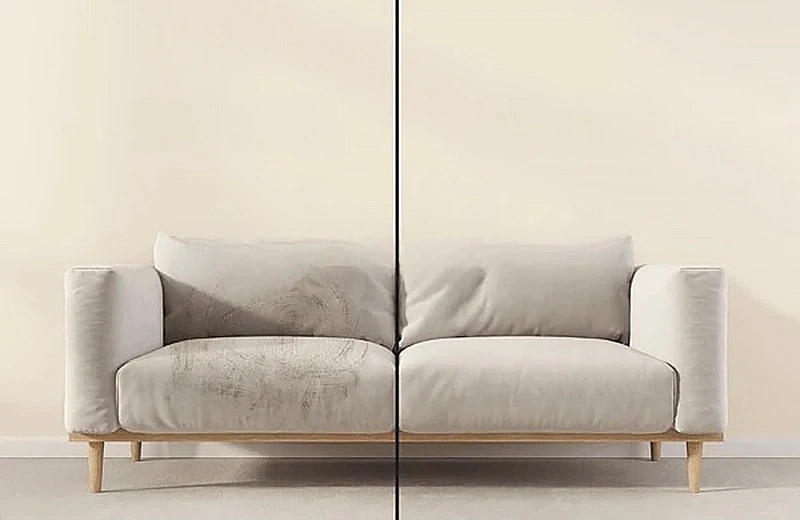
Unlike hard surfaces, upholstery materials are porous and multilayered. A typical sofa or carpet consists of:
- surface fibers
- backing layers
- internal padding or structure
This structure allows contaminants to penetrate deeply rather than remaining on the surface. Once inside, dirt becomes significantly more difficult to remove.
In Ireland’s climate, which is often humid, this issue is amplified. Moisture in the air can combine with dust and organic residues, accelerating the breakdown of materials and encouraging microbial activity.
Types of Contamination in Soft Furniture and Carpets
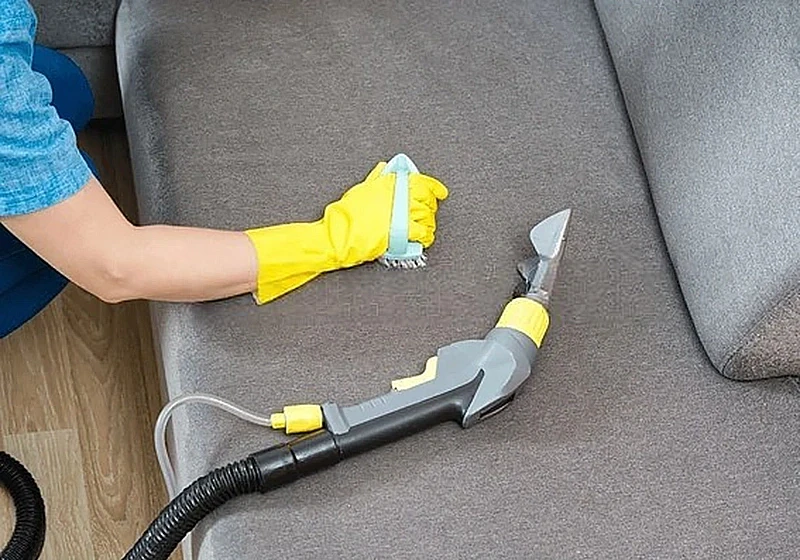
Organic Stains
Organic contamination includes substances such as coffee, tea, wine, juices, and food residues. These stains are particularly problematic because they contain natural pigments that bind to fibers.
For example, tannins in tea and coffee can penetrate deeply into upholstery, creating stains that are difficult to remove without targeted treatment. Sugars present in many drinks leave behind sticky residues that attract additional dirt over time.
Protein-Based Contamination
Protein stains include blood, dairy products, and certain food residues. These are highly sensitive to temperature.
A common mistake is using hot water, which causes proteins to coagulate and bond permanently with fibers. This makes the stain significantly harder to remove and may lead to permanent discoloration.
Grease and Oil-Based Contamination
Grease is one of the most common and underestimated forms of contamination. It originates from:
- skin contact
- hair products
- cooking vapors
Unlike water-based stains, grease does not evaporate. It accumulates gradually, forming a thin film that attracts dust and creates a dull appearance.
Particulate Contamination
Dust, sand, and airborne particles settle into upholstery over time. These particles act as abrasives, gradually damaging fibers through friction.
Standard vacuuming often removes only surface-level dust, leaving deeper layers untouched.
Microbial and Allergenic Contamination
Soft furnishings can harbor bacteria, mold spores, and allergens such as dust mites. These contaminants are invisible but have a direct impact on indoor air quality and health.
How Contamination Affects Different Surfaces
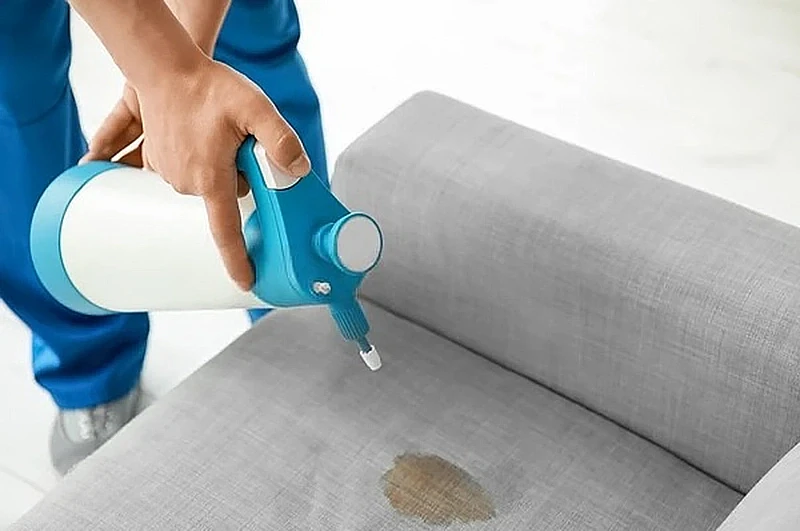
Sofas and Armchairs
Frequent use leads to localized wear and heavy contamination in specific areas such as armrests and seat cushions. Oils from skin and clothing gradually alter the texture and appearance of the fabric.
Carpets
Carpets are exposed to continuous foot traffic, which pushes dirt deep into the fibers. Over time, this leads to:
- discoloration
- fiber damage
- persistent odors
Upholstered Walls
In some interiors, upholstered panels or decorative wall fabrics are used. These surfaces are rarely cleaned but accumulate dust and pollutants from the air.
We asked Laura to share some cleaning tips
Laura Mitchell - Head of Deep Cleaning & Restoration Services at Magical Cleaning
In our daily practice at Magical Cleaning, we most frequently encounter complex organic and inorganic contaminations such as protein-based stains (blood, food residues), tannin stains (coffee, tea, wine), lipid-based soils (grease, body oils, cosmetics), as well as deeply embedded particulate matter like dust, sand, and pet dander. Over time, these contaminants penetrate deep into the fiber structure, leading not only to visible staining but also to odor formation and gradual material degradation.
A significant challenge arises with aged stains that have undergone oxidation and molecular bonding with upholstery fibers. In such cases, standard household cleaning methods prove ineffective and can even worsen the condition. Our technicians apply a multi-stage professional approach, beginning with detailed fiber identification and pH testing, followed by the selection of специализированных cleaning agents.
We utilize advanced methods such as hot water extraction (HWE), low-moisture encapsulation, and targeted stain removal with enzymatic and solvent-based solutions. Our equipment includes industrial-grade extractors with adjustable pressure systems, high-performance vacuum motors, and HEPA filtration to ensure deep cleaning and rapid drying. In many situations, our work goes beyond cleaning—we are effectively restoring furniture, carefully breaking down stubborn contaminants while preserving fabric integrity, color stability, and the original texture of the upholstery.
DIY Cleaning: Common Approaches and Their Limitations
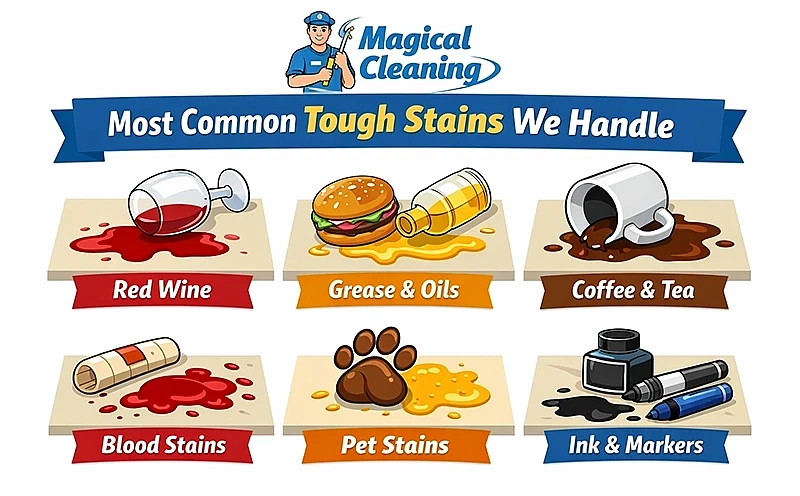
Many clients attempt to clean upholstery using readily available products. In Irish supermarkets, it is easy to find “universal” cleaners marketed as solutions for multiple surfaces. Examples include general-purpose sprays or stain removers from brands like Astonish, Flash, or Vanish.
While these products can be effective for minor surface cleaning, they have significant limitations when applied to upholstery.
Typical DIY Methods
- spraying cleaning solution directly onto stains
- scrubbing with brushes or cloths
- using excessive water
- attempting to “wash out” the stain
Why These Methods Often Fail
The primary issue is lack of control. Upholstery cleaning requires precise management of moisture, chemistry, and mechanical action.
When too much liquid is applied, it penetrates into the padding, leading to:
- prolonged drying times
- risk of mold development
- structural damage
Scrubbing spreads contamination and damages fibers. Instead of removing the stain, it embeds it deeper into the material.
Incorrect cleaning agents can react with dyes, causing discoloration or fading.
What can a professional specialist say about this?
Liam O’Connell, Chief Cleaning Technologist at Magical Cleaning
As a senior technician at Magical Cleaning, I recall a case in Kilkenny where apartment owners attempted to remove a red wine spill from a carpet using household detergents and excessive moisture. Unfortunately, this led to pigment spreading, fiber distortion, and partial fixation of tannins within the carpet structure due to improper drying.
By the time we were called, the stain had oxidized and bonded with the fibers, requiring a professional deep cleaning procedure. This process involved three critical stages. First, we performed a controlled pre-treatment using specialized acidic and enzymatic solutions to break down tannin compounds. Second, we applied hot water extraction with industrial-grade equipment, регулируя давление и температуру для максимального проникновения в волокна. Finally, we conducted a post-treatment neutralization and fiber conditioning stage to restore the carpet’s texture and pH balance.
This method is highly effective but also costly due to the time, expertise, and equipment involved. In such cases, early professional intervention would have significantly reduced both complexity and cost, preventing deep contamination and preserving the original condition of the carpet.
Professional Upholstery Cleaning: The Technical Process
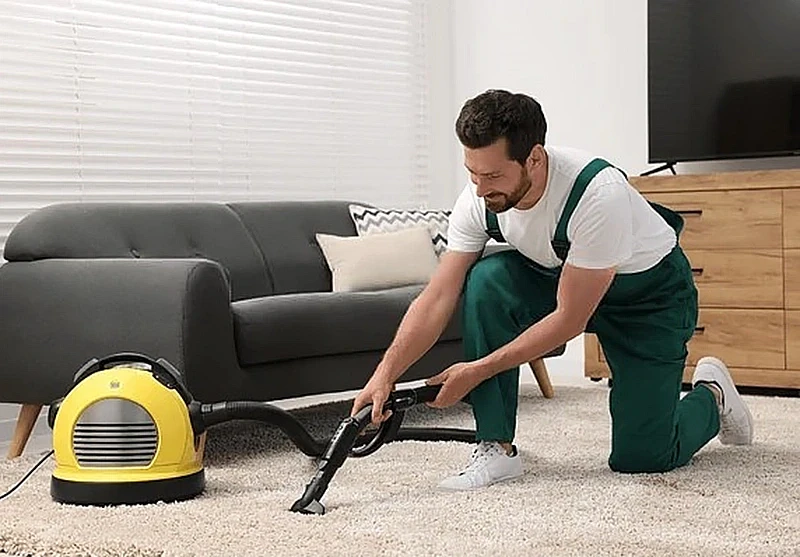
Magical Cleaning uses a structured, multi-stage approach designed to address different types of contamination safely.
1. Inspection and Fabric Identification
Every cleaning process begins with a detailed assessment. Technicians determine:
- fabric type
- level of contamination
- presence of previous cleaning attempts
This step is critical for selecting the correct method and products.
2. Dry Soil Removal
Before any moisture is introduced, loose particles are removed using professional vacuum systems with high-efficiency filtration.
This prevents dirt from turning into mud during the cleaning process.
3. Pre-Treatment
Specialized solutions are applied to break down specific contaminants:
- enzyme-based cleaners for organic stains
- solvents for grease
- targeted formulations for pigments
Controlled dwell time allows the solution to interact with the stain.
4. Controlled Extraction Cleaning
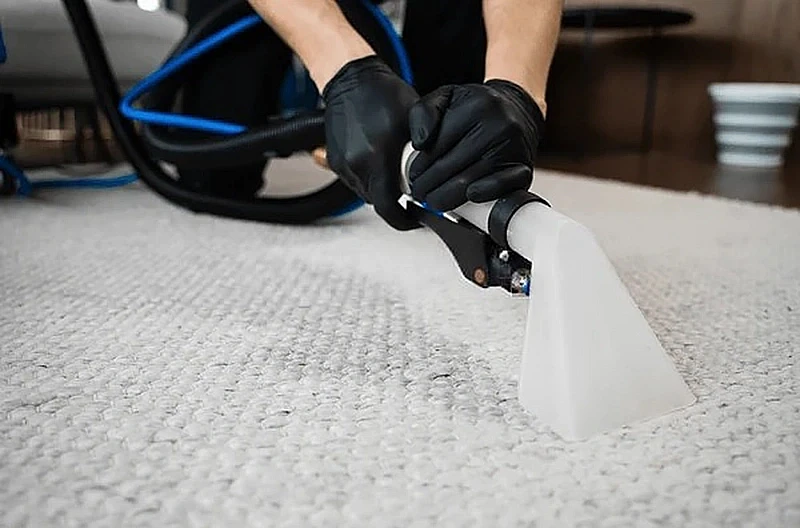
This is the core stage of the process. A professional machine injects a precise mixture of water and cleaning solution into the fabric and immediately extracts it along with dissolved dirt.
The key factors are:
- pressure control
- temperature regulation
- minimal moisture application
5. Neutralization
After cleaning, residues must be removed to prevent re-soiling. Neutralizing agents restore the fabric to a balanced state.
6. Drying
Professional airflow equipment accelerates drying, preventing moisture retention and ensuring the material is ready for use.
Advanced Problem Solving
Some cases require additional techniques, such as:
- repeated extraction cycles
- localized stain treatment
- low-moisture or foam cleaning methods
These approaches are used when dealing with delicate fabrics or severe contamination.
The Risks of Improper Cleaning
Improper DIY cleaning can lead to:
- permanent staining
- fiber damage
- color loss
- odor development
In many cases, professional intervention becomes more complex after unsuccessful attempts.
Let's look at a real case of removing complex stains.
Liam O’Connell, Chief Cleaning Technologist at Magical Cleaning
As a stain removal specialist at Magical Cleaning, I often deal with complex upholstery restoration cases, and one memorable project in Kilkenny involved a heavily soiled fabric sofa with multiple contamination types. The client contacted us after months of unsuccessful attempts to remove visible stains caused by food spills, body oils, and an old coffee stain that had already oxidized and penetrated deep into the fibers.
The process always begins with a detailed inspection. I identified the fabric type, assessed color fastness, and determined the nature of each stain. This step is critical, as different contaminants require different химических составов and treatment strategies. We then proceeded with a controlled dry vacuuming stage using industrial equipment with HEPA filtration to remove loose particulate matter.
Next came the pre-treatment phase. I applied специализированные cleaning agents: enzymatic solutions for organic residues, mild solvents for greasy buildup, and acidic agents to break down tannin stains. Each product was carefully selected and applied with precise dwell time to ensure maximum эффективность without damaging the upholstery.
The core stage was hot water extraction. Using a professional extractor with adjustable pressure and temperature control, I flushed out dissolved contaminants from deep within the fabric structure. This step not only removes stains but also eliminates odors and бактерии.
Finally, we performed pH neutralization and fiber conditioning to restore the sofa’s softness and appearance. The result was a fully revitalized piece of furniture, with stains completely removed and fabric integrity preserved. This case clearly demonstrates that a systematic, technology-driven approach is essential for effective stain removal and long-term preservation of upholstered furniture.
Why Professional Cleaning Is the Best Solution
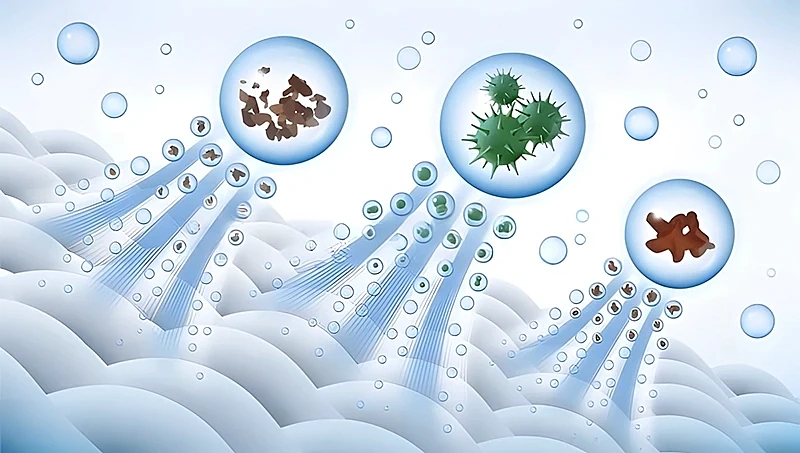
Magical Cleaning combines:
- technical expertise
- advanced equipment
- certified cleaning products
This ensures not only effective stain removal but also preservation of the material.
Professional cleaning:
- improves indoor air quality
- extends the lifespan of furniture
- restores appearance and comfort
Upholstery cleaning is a highly technical process that goes far beyond surface cleaning. Different types of contamination require specific approaches, and incorrect methods can cause irreversible damage. While DIY solutions may seem convenient, they often fail to address the underlying problem and may even make it worse. Magical Cleaning provides a professional solution that combines science, experience, and precision. By understanding the nature of contamination and applying the correct techniques, the company ensures that furniture is not only clean but fully restored.
In the long term, investing in professional cleaning is not just about maintaining appearance — it is about protecting health, preserving materials, and creating a comfortable living environment.
We often assume that the all-purpose cleaning products sold at the supermarket are an affordable solution, and we believe the advertising slogans that manufacturers print on their packaging.
However, in most cases, this cleaning method does not take into account the fabric composition, the composition of the fabric dye, or the age of the fabric. This could damage the fabric and cause the stain to penetrate deeper, making it harder to remove.
If you want a 100% guarantee that stains will be removed whilst preserving the durability and appearance of your items, give Magical Cleaning a call!
You can also learn more about other cleaning services offered by Magical Cleaning.
