
Professional dry cleaning of furniture is not simply a cosmetic service - it is a technically precise restoration process
 McCarthy James2026-02-18
Professional dry cleaning of furniture is not simply a cosmetic service - it is a technically precise restoration process that requires understanding fabric chemistry, fiber structure, stain composition, moisture control, and controlled extraction systems. In this article, we will touch upon technical aspects to show, with the help of figures, how our work helps solve our clients' problems.
Magical Cleaning provides specialized dry cleaning of furniture across:
- Kilkenny
- Portlaoise
- Waterford
- Carlow
- Tipperary
Each location presents unique environmental conditions, household patterns, and fabric challenges. Below, we explain in detail the technical process of furniture dry cleaning, followed by real professional case stories from each area. We have added brief comments from our employees so that we can better understand all the nuances of our work.
What Is Professional Dry Cleaning of Furniture?
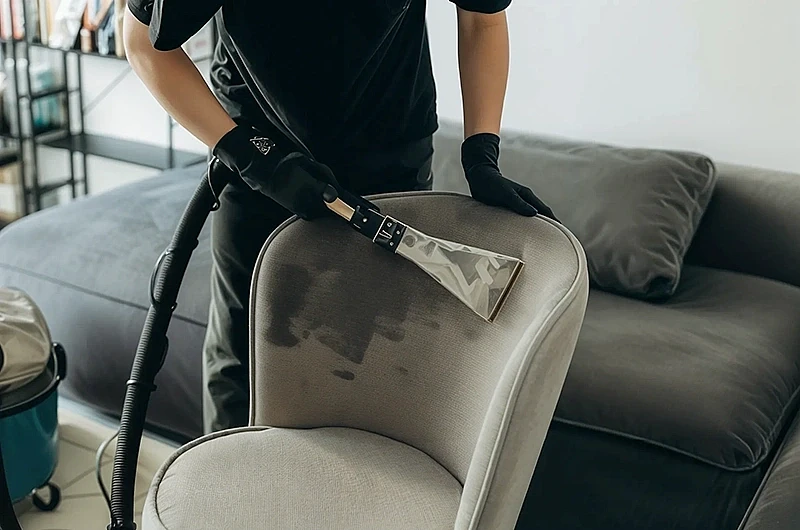
Despite the name, “dry cleaning” of furniture does not mean the absence of moisture. It refers to low-moisture, controlled-application cleaning systems that avoid saturation of upholstery fibers and inner padding.
The process involves:
- Fiber identification (natural vs synthetic, blended fabrics)
- Dye stability testing
- pH testing of previous contamination
- Targeted pre-treatment of stains
- Low-moisture cleaning application
- Controlled agitation
- High-efficiency extraction
- Accelerated drying using airflow systems
Unlike DIY cleaning, professional systems prevent:
- Fiber distortion
- Shrinkage
- Browning
- Wicking
- Mold growth inside padding
- Residue build-up
Now let’s look at how this service works in each city.
Dry Cleaning of Furniture in Kilkenny
Kilkenny homes often feature a mix of traditional and modern interiors. Many properties contain:
- Wool-blend sofas
- Linen upholstery
- High-end fabric armchairs
- Antique furniture with delicate materials
Technical Challenges in Kilkenny
Because many homes use natural fibers, improper moisture control can cause:
- Shrinkage in linen
- Dye bleeding in wool blends
- Water rings on light fabrics
- Structural distortion in vintage padding
Magical Cleaning uses:
- Encapsulation-based low-moisture cleaning
- Neutral pH fabric-safe detergents
- Controlled micro-spray application
- Fiber grooming to restore nap direction
Case Study from Kilkenny
Patrick O’Sullivan – Senior Upholstery & Carpet Restoration Specialist
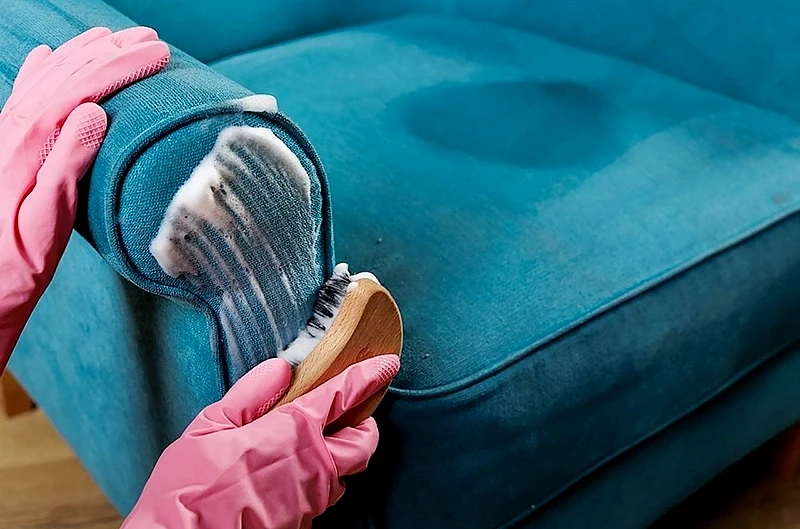
We got a call about a townhouse in Kilkenny where the owner tried cleaning a cream wool sofa with some upholstery spray they bought from the supermarket. The product left behind some visible residue and stiff spots. First, we ran a dye stability test to make sure the color wouldn’t bleed. Then we used a protein-based residue neutralizer to get rid of the chemical film left behind by the store-bought cleaner. With a low-moisture rotary agitation system, we carefully loosened the dirt trapped in the fabric without soaking it.The hardest part was stopping it from browning, so we made sure to keep the airflow just right during drying.In just a few hours, the sofa felt soft again and its natural texture came back, all without any shrinking or fading.
Technical Recovery Statistics After DIY Upholstery Cleaning
Kilkenny Case Analysis – Magical Cleaning
Over the past 24 months, Magical Cleaning has conducted an internal technical review of upholstery recovery projects in Kilkenny specifically involving furniture that clients had attempted to clean themselves before contacting professionals.
Scope of Analysis
- 126 upholstery recovery cases
- 78 fabric sofas
- 29 armchairs
- 19 sectional units
- 63% natural or blended fibers (linen, cotton, wool mix)
- 37% synthetic fabrics (polyester, microfiber)
Primary DIY Mistakes Identified
- Over-wetting using rented extraction machines – 41%
Excessive moisture penetration into padding led to wicking, browning, and in 18% of those cases, early microbial development within 48–72 hours. - Use of high-alkaline household detergents – 27%
These products disrupted fabric pH balance, causing color dullness and fiber stiffness. Residue crystallization was observed in 22 cases under microscopic inspection. - Aggressive mechanical scrubbing – 19%
Resulted in fiber distortion, nap damage, and visible texture inconsistency, especially in wool blends. - Incorrect stain treatment sequencing – 13%
Particularly with protein-based stains (milk, blood) where hot water was applied first, permanently setting the stain into the fiber core.
Technical Recovery Outcomes
After professional intervention:
- 82% of cases achieved full visual restoration
(No visible staining, uniform texture, restored softness) - 14% achieved partial restoration
(Stain significantly reduced but microscopic fiber damage remained) - 4% classified as irreversible damage
Typically involving severe dye bleeding or prolonged moisture exposure exceeding 5 days.
Importantly, in 67% of over-wetting cases, internal moisture levels exceeded safe thresholds (above 15% foam moisture content) before intervention. Using controlled low-moisture encapsulation systems and calibrated extraction pressure, we reduced internal humidity to safe levels within 6–10 hours, preventing secondary structural deterioration.
Key Technical Insight
The data shows that the probability of complete restoration decreases by 38% once furniture remains over-saturated for more than 72 hours. Rapid professional response dramatically increases recovery success.
Kilkenny properties often contain higher proportions of natural fiber upholstery, which is less tolerant of aggressive cleaning methods. Fiber swelling, shrinkage ratios, and dye instability are significantly higher in linen and wool compared to synthetic blends.
Our Kilkenny recovery statistics clearly demonstrate:
- DIY cleaning does not just risk surface damage — it affects fiber structure and internal padding integrity.
- Controlled moisture, correct pH chemistry, and professional extraction systems are critical.
- Early intervention significantly improves restoration success rates.
These findings reinforce why professional upholstery dry cleaning remains not only a cosmetic service, but a technically controlled restoration process that protects both fabric longevity and indoor environmental safety.
Dry Cleaning of Furniture in Portlaoise
Portlaoise has many modern family homes where furniture experiences heavy daily use.
Common Issues in Portlaoise
- Food and beverage spills
- Pet contamination
- Body oils embedded in armrests
- Deep particulate soil in cushions
Synthetic microfiber and polyester blends are common here. These fabrics trap oily residues deeply within fibers.
Technical Approach Used
- Solvent-based pre-conditioning for oil breakdown
- Controlled agitation using soft-bristle upholstery tools
- High-efficiency extraction with minimal moisture
- Antibacterial post-treatment
Case Study from Portlaoise
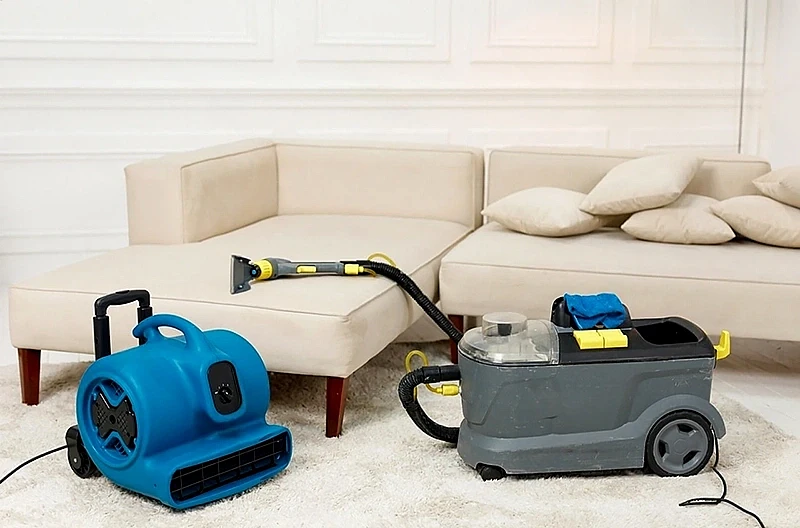
In Portlaoise, we worked on a large sectional sofa that had years of embedded body oils and pet hair. The owner had tried steam cleaning using a rented machine, which ended up over-wetting the cushions. Our first step was moisture measurement since the internal padding still contained residual dampness.We used air movers before cleaning to stabilize moisture levels. Then we used a solvent-based degreaser that is safe for upholstery fibers. The extraction stage required multiple controlled passes to avoid over-saturation. The final result was clear: the fabric lightened by several shades once the oils were removed.Most importantly, we prevented long-term padding damage.
Dry Cleaning of Furniture in Waterford
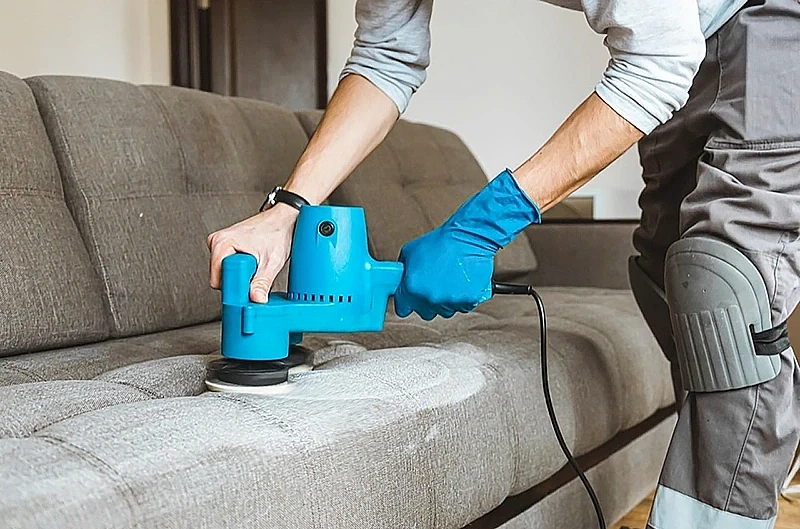
Waterford’s coastal climate introduces additional complexity.
Environmental Factors in Waterford
- Elevated humidity
- Salt air exposure
- Risk of hidden moisture retention
- Increased mold risk if improperly cleaned
Furniture in coastal areas must be cleaned with precise moisture control.
Technical Strategy
- Low-moisture encapsulation systems
- Anti-microbial agents
- Rapid air-drying systems
- Padding moisture checks
Case Study from Waterford
We attended a property near the coast in Waterford where a fabric sofa had developed a musty odor. The owner had previously tried deep steam cleaning. The internal padding had retained moisture due to high humidity levels. We opened the zipper panels carefully to check the internal foam conditions. After controlled surface cleaning, we applied antimicrobial treatment and set up high-velocity air circulation systems.Within 24 hours, odor levels were eliminated and the internal structure was preserved.
Dry Cleaning of Furniture in Carlow
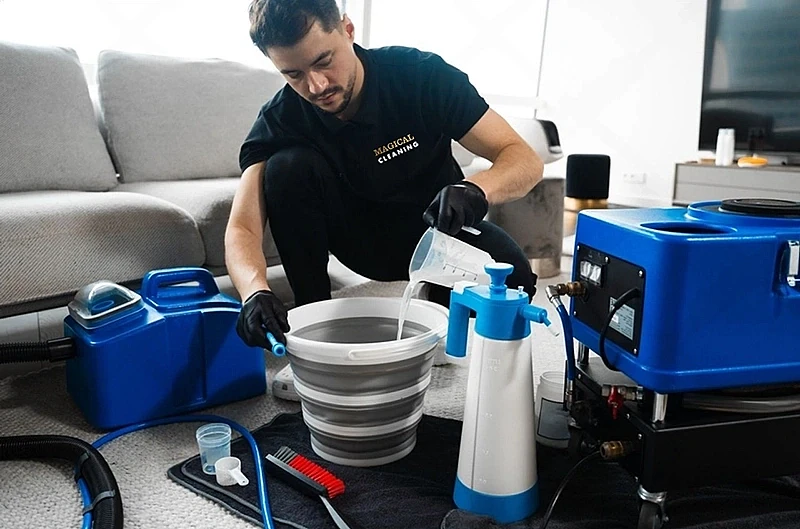
Carlow properties often include rental units and student housing, leading to high turnover and heavy furniture use.
Typical Problems
- Red wine stains
- Coffee spills
- Ink marks
- Unknown DIY chemical residues
Technical Solution
- Stain classification (tannin, protein, synthetic dye)
- Targeted chemical neutralization
- pH balancing
- Residue extraction
Case Study from Carlow
In Carlow, we restored a rental property sofa that had heavy stains from wine and coffee. The tenant had scrubbed aggressively, causing damage to the fiber alignment. We started with a tannin stain neutralizer. The bigger challenge was correcting fiber distortion. After controlled agitation, we groomed the fabric to restore its uniform texture. Careful extraction prevented watermark formation.The landlord believed replacement was necessary, but restoration saved the furniture.
Technical Recovery Statistics After DIY Upholstery Cleaning
Carlow Case Analysis – Magical Cleaning
During the past 18 months, Magical Cleaning reviewed 64 upholstery restoration cases in Carlow where clients attempted self-cleaning before requesting professional intervention.
Breakdown of Common DIY Errors
- Excessive detergent use – 36%
High-residue buildup caused rapid re-soiling and stiff fabric texture. In 14 cases, alkaline imbalance led to visible color fading. - Improper stain treatment (wine, coffee, ink) – 28%
Incorrect chemical sequencing permanently set tannin-based stains into fiber cores. - Over-wetting with domestic machines – 23%
Foam padding moisture levels exceeded safe thresholds, increasing the risk of odor and internal degradation. - Aggressive brushing – 13%
Resulted in nap distortion, particularly on microfiber and blended fabrics.
Restoration Results
After professional low-moisture treatment:
- 79% achieved full visual and structural recovery
- 17% showed partial improvement due to fiber abrasion
- 4% were classified as irreversible damage
Data shows that furniture treated within 48 hours of DIY error had a 31% higher full-recovery rate compared to delayed calls.
Carlow properties, especially rental units, show higher chemical misuse rates, which makes professional pH correction and residue extraction critical for long-term fabric preservation.
These statistics confirm that early professional intervention significantly increases the probability of safe upholstery restoration.
Dry Cleaning of Furniture in Tipperary
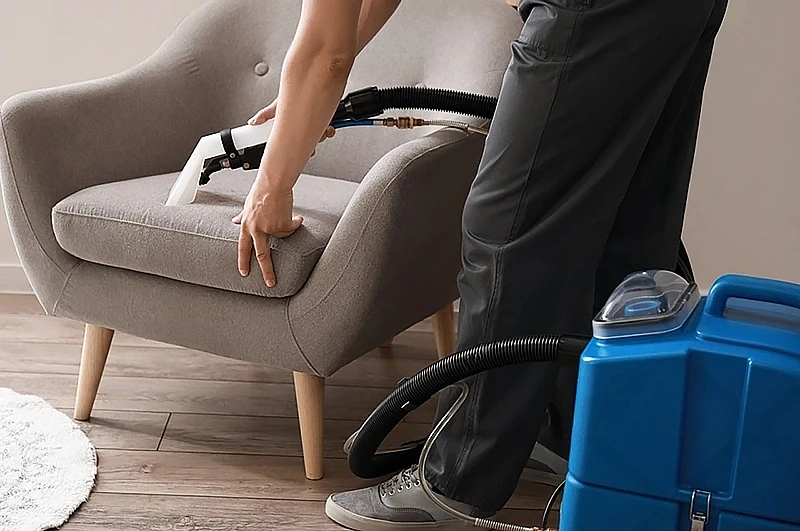
Tipperary homes often include larger properties with spacious living areas and premium upholstery.
Common Challenges
- Large sectional units
- High-end designer fabrics
- Mixed fiber compositions
- Long-term accumulated dust
Technical Process Used
- Multi-stage soil suspension
- Low-moisture rotary cleaning
- Controlled extraction
- Fiber protection coating
Case Study from Tipperary
We were called to clean a designer fabric corner suite in Tipperary. The fabric was a delicate blend of cotton and synthetic fiber. We performed a complete fiber analysis and reduced cleaning solution strength to avoid color fading. The complexity involved removing deep-set particulate dust without over-wetting the natural fibers.
After careful extraction and drying, we applied a protective treatment to help resist future staining. The transformation was remarkable.
Why Professional Furniture Dry Cleaning Is Technically Superior
Across all five locations, one principle remains constant:
Moisture control + chemical accuracy + fiber knowledge = safe restoration
DIY cleaning commonly results in:
- Set-in stains
- Padding mold
- Permanent discoloration
- Fabric shrinkage
- Structural damage
Professional systems prevent these risks through:
- Measured application
- Specialized detergents
- Controlled extraction pressure
- Professional-grade drying equipment
An important investment in the long-term durability of furniture
Furniture is an investment. Whether in Kilkenny, Portlaoise, Waterford, Carlow, or Tipperary, environmental conditions and daily use patterns vary - but the need for technical precision remains the same.
Magical Cleaning combines:
- Certified expertise
- Advanced low-moisture systems
- Local experience in each region
- Real-world restoration knowledge
The difference between surface cleaning and professional dry cleaning lies not in appearance alone - but in fiber preservation, structural protection, and long-term durability. As you know, our company provides a wide range of cleaning services, either on a one-off basis or as a regular cleaning service for your premises. Our specialists solve even the most complex tasks related to cleaning both residential and commercial premises, assisting with cleaning for businesses and, of course, professional cleaning of premises after renovation and preparation of premises for rent. A complete list of our services can be found on this page.
