
Post-Construction Cleaning in Ireland: A Complete Professional Guide by Magical Cleaning
 Lawler Mike2026-04-09
Every construction or renovation project—whether it is a private home, a commercial space, or a public facility—reaches a point where the builders leave, but the property is still far from ready. Dust settles into every surface, residues remain on materials, and the environment is often unsafe for immediate use.
Post-construction cleaning is not simply a finishing touch. It is a critical technical process that determines whether a space becomes truly usable, safe, and visually presentable.
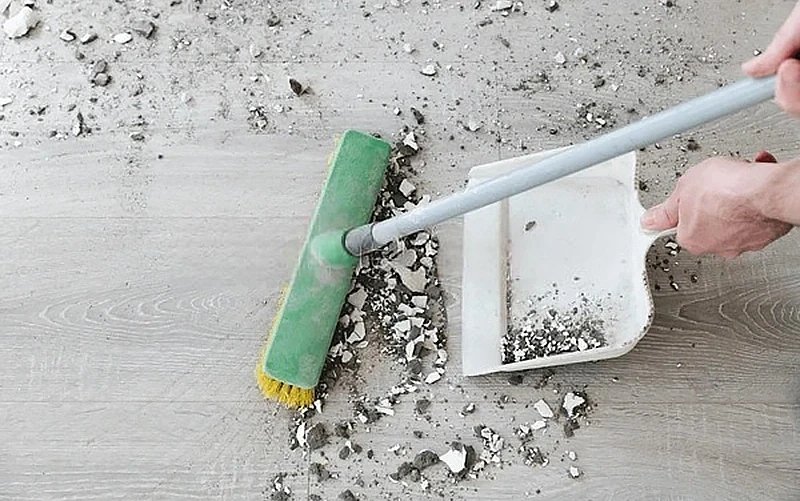
Across Kilkenny, Portlaoise, Waterford, Carlow, and Tipperary, this service has become one of the most востребованных, as property owners increasingly understand that improper cleaning leads to long-term damage, health risks, and additional costs.
At Magical Cleaning, post-construction cleaning is approached as a specialized restoration process, not standard cleaning.
Different environments accumulate different types of post-construction contamination. Understanding this is key to applying the correct cleaning methodology.
Residential Properties: Apartments and Houses
In apartments and private homes, contamination is typically more concentrated and deeply embedded due to limited ventilation and confined spaces.
Common issues include:
- Fine construction dust settling into soft furnishings and carpets
- Paint splashes on floors, skirting boards, and windows
- Silicone, plaster, and adhesive residues
- Dust infiltration into HVAC systems and electrical fixtures
One of the biggest challenges in residential settings is cross-contamination. Even if work was done in a single room, micro-dust spreads throughout the entire property, settling into fabrics, curtains, and hidden surfaces.
Offices and Commercial Workspaces
Offices present a different level of complexity due to equipment sensitivity and layout structure.
Typical contamination includes:
- Micro-dust inside keyboards, monitors, and ventilation systems
- Residue on glass partitions and polished surfaces
- Adhesive traces from protective films
- Fine particles embedded in office carpets
In these environments, improper cleaning can lead to long-term damage to electronics and reduced indoor air quality, affecting employee productivity and health.
Retail Spaces and Shopping Centres
Retail environments demand near-perfect visual standards. After construction or refurbishment, even minor imperfections are unacceptable.
Key challenges:
- Large glass surfaces with paint or dust residue
- Polished floors requiring streak-free restoration
- High ceilings and lighting fixtures filled with dust
- Entrances contaminated with heavy debris and tracked-in dirt
Retail cleaning must combine aesthetic precision with industrial-scale efficiency.
Hotels and Hospitality Venues
Hotels, cafés, and restaurants require a dual approach: deep technical cleaning and strict hygiene compliance.
Post-construction contamination often includes:
- Dust in ventilation systems affecting guest comfort
- Residues in kitchens and food preparation areas
- Upholstery contamination in seating areas
- Fine debris in bathrooms and tiled surfaces
In hospitality, poor post-construction cleaning directly impacts customer experience and business reputation.
Schools and Educational Facilities
Schools present a unique challenge due to safety requirements.
After renovation, common issues include:
- Dust particles harmful to children’s respiratory systems
- Residue on desks, chairs, and learning equipment
- Contaminants in gym floors and sports facilities
Here, cleaning is not just about appearance—it’s about health protection and compliance with safety standards.
Pubs and High-Traffic Venues
Pubs in Ireland undergo frequent refurbishment, and post-construction cleaning must address heavy-duty contamination.
Typical problems:
- Sticky residues from varnish, sealants, and adhesives
- Dust embedded in wooden surfaces and decorative elements
- Debris in tight, high-traffic areas
These environments require robust mechanical cleaning combined with surface restoration techniques.
The Nature of Construction Contamination
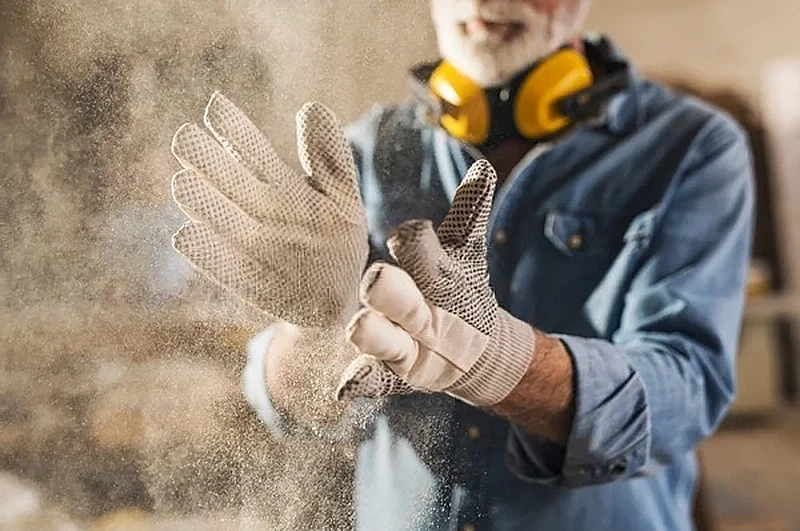
Construction residue is fundamentally different from everyday dirt. It consists of a complex mixture of microscopic and visible contaminants that behave differently depending on the surface they settle on.
Typical post-construction contamination includes plaster dust, cement particles, silica, paint mist, adhesives, sealants, and fine debris. These particles are often invisible but highly invasive. They penetrate porous materials, settle in ventilation systems, and continue circulating in the air long after construction is completed.
This is why many property owners experience the same issue: even after cleaning, dust keeps reappearing. The reason is simple—it was never fully removed, only redistributed.
Where Post-Construction Contamination Occurs
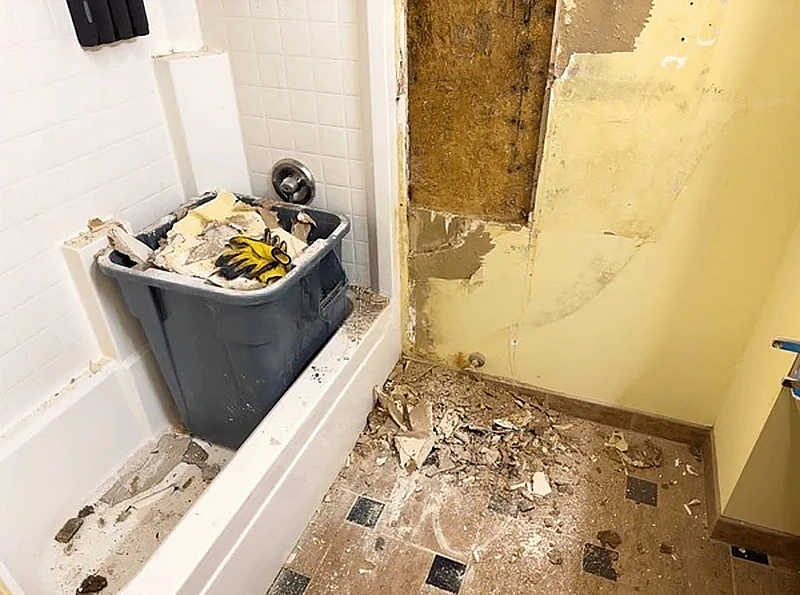
Different environments require different cleaning strategies because contamination behaves differently depending on the type of property.
In residential apartments and houses, the problem is usually concentrated. Fine dust spreads quickly through confined spaces, embedding itself in carpets, curtains, and upholstered furniture. Even if renovation work was limited to one room, contamination often affects the entire property.
In office environments, the situation becomes more complex. Dust infiltrates sensitive equipment, settles inside keyboards, monitors, and ventilation systems, and affects air quality. Without professional cleaning, this can lead to long-term issues with both employee comfort and equipment performance.
Retail spaces and shopping centres demand near-perfect visual standards. Even minor streaks on glass or dust on polished floors can negatively impact customer perception. Post-construction cleaning in these environments must combine speed with precision.
Hotels, cafés, and restaurants require an even higher level of attention. Here, cleaning is not only about appearance but also about hygiene and compliance. Dust in ventilation systems, residues in kitchens, and contamination of seating areas directly affect customer experience.
Schools and educational facilities introduce another layer of responsibility. After renovation, even small amounts of dust can pose health risks to children. Cleaning must ensure a completely safe environment.
Pubs and high-traffic venues often present heavy-duty contamination, including varnish residues, adhesives, and deeply embedded dust in wooden structures. These spaces require robust cleaning methods combined with careful surface restoration.
Why DIY Post-Construction Cleaning Fails
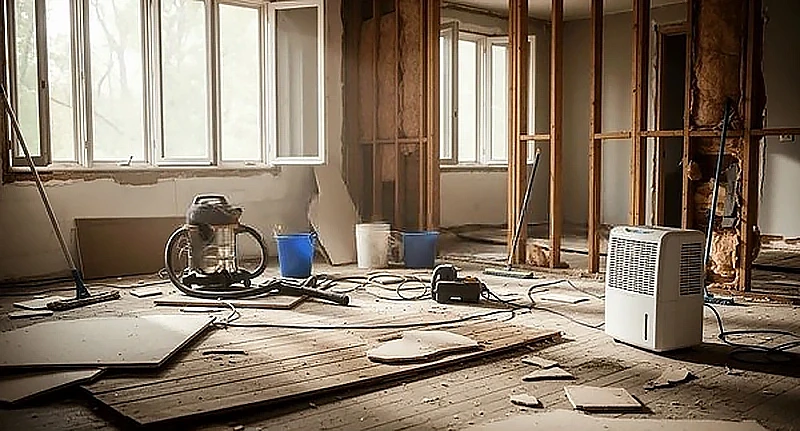
Many property owners initially attempt to clean after construction themselves, assuming it will save money. In reality, this approach often leads to greater expense and more serious problems.
The main issue lies in the nature of construction dust. Standard household equipment is not designed to handle microscopic particles. Without HEPA filtration, vacuums simply release dust back into the air, causing it to resettle repeatedly.
Another common problem is surface damage. Using incorrect tools or cleaning agents can scratch glass, dull wooden floors, or permanently stain materials. Paint and adhesive residues are particularly difficult to remove without professional knowledge, and improper attempts often make the situation worse.
Perhaps the biggest limitation of DIY cleaning is that it focuses only on visible areas. Hidden contamination—inside ventilation systems, beneath furniture, and deep within fabrics—remains untouched, continuing to affect the environment.
1. Incorrect Removal of Fine Dust
Construction dust is not ordinary dust. It contains microscopic particles of plaster, silica, and wood fibers. Standard household vacuums lack HEPA filtration and simply redistribute these particles into the air.
Result:
Dust resettles repeatedly, prolonging the cleaning process and affecting air quality.
2. Surface Damage from Improper Methods
Using incorrect cleaning agents or tools can permanently damage surfaces:
- Scratched glass from abrasive wiping
- Discoloration of wood floors
- Chemical damage to upholstery
3. Ineffective Stain and Residue Removal
Paint, silicone, and adhesives require specialized solvents and controlled removal techniques. DIY attempts often spread the contamination or bond it deeper into surfaces.
4. Hidden Contamination Is Ignored
Non-professionals typically clean only visible areas. However, the most problematic contamination is often hidden:
- Inside ventilation systems
- Under furniture
- Within fabric fibers
The Professional Cleaning Process
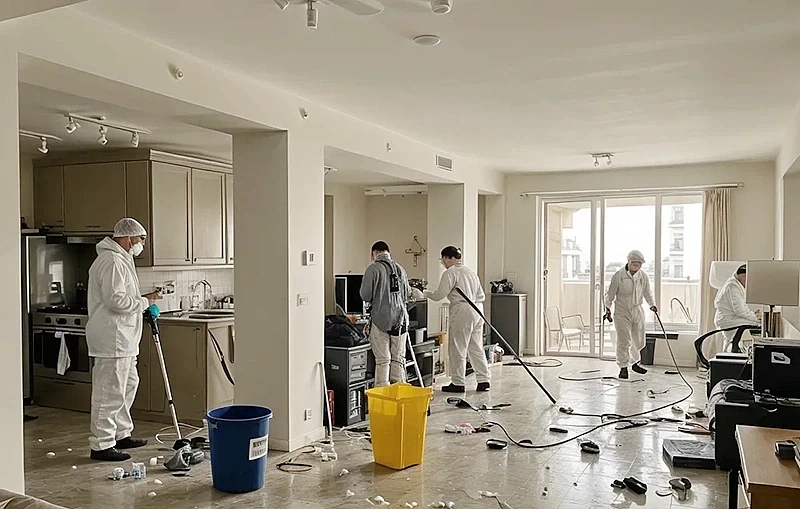
At Magical Cleaning, post-construction cleaning follows a structured, multi-stage methodology designed to eliminate contamination completely.
The process begins with debris removal and dry cleaning. All large waste materials are cleared, and industrial vacuum systems with HEPA filtration are used to remove loose dust without spreading it further.
Next comes detailed surface treatment. Each material is treated individually. Glass is cleaned using non-abrasive methods to prevent scratching. Paint and adhesive residues are removed with controlled solvent application. Floors are treated according to their specific material properties, whether wood, tile, or laminate.
Deep dust extraction follows. This is one of the most critical stages, where embedded particles are removed from carpets, upholstery, and hard-to-reach areas. High-powered extraction equipment ensures that contamination is removed from within materials, not just from the surface.
The final stage involves sanitization, odour removal, and finishing. At this point, the space is not only clean but fully restored and ready for use.
Stage 1: Debris Removal and Dry Cleaning
The process begins with removing all large debris and loose materials. This includes:
- Construction waste
- Packaging materials
- Surface-level dust
We use industrial vacuum systems equipped with HEPA filtration to prevent airborne contamination.
Stage 2: Detailed Surface Treatment
At this stage, we address all surfaces individually:
- Glass polishing using non-abrasive techniques
- Paint and adhesive removal with controlled solvents
- Deep cleaning of floors depending on material type
Each surface requires a tailored chemical and mechanical approach.
Stage 3: Deep Dust Extraction
This is one of the most critical steps. Fine dust is extracted from:
- Carpets and upholstery
- Air vents
- Hard-to-reach areas
We use high-powered extraction systems to remove particles embedded deep within materials.
Stage 4: Sanitization and Finishing
The final stage includes:
- Surface disinfection
- Odour removal
- Final polishing and inspection
At this point, the space is not just clean—it is fully restored and ready for use.
Material-Specific Cleaning: Precision Is Essential
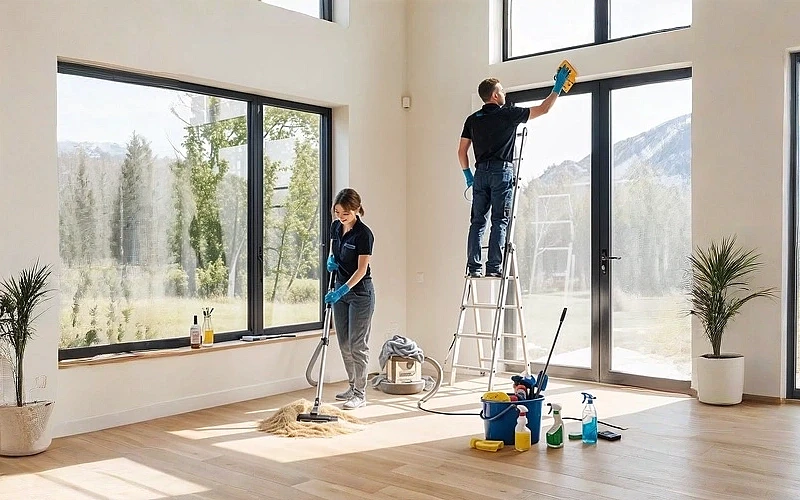
Every material reacts differently to contamination and cleaning methods. This is why professional cleaning requires a detailed understanding of material science.
Glass surfaces, for example, are extremely vulnerable after construction. Even fine dust can cause micro-scratches if removed incorrectly. Professional cleaning uses specialized tools and neutral solutions to preserve clarity.
Wooden surfaces require careful moisture control. Excess water can cause swelling, while неправильные cleaning agents may damage the finish. Low-moisture techniques and pH-balanced products are essential.
Carpets and upholstery act as filters, trapping dust and allergens deep within their fibers. Without professional extraction methods, these contaminants remain in place, affecting air quality and comfort.
Glass and Glazed Surfaces
Glass is highly sensitive after construction. Even small particles of dust can act as abrasives.
Professional approach:
- Use of non-abrasive microfiber systems
- специализированные стеклоочистители с нейтральным pH
- Controlled removal of paint and silicone residues
Improper DIY cleaning often results in micro-scratches, which become visible under natural light.
Wooden Floors and Surfaces
Wood is particularly vulnerable to moisture and химических воздействий.
Key risks:
- Swelling due to excessive water
- Surface dullness from неправильных чистящих средств
- Permanent staining from строительной пыли
Professional cleaning includes:
- Low-moisture techniques
- pH-balanced solutions
- Protective finishing treatments
Carpets and Upholstery
Soft materials act as filters, trapping fine dust and contaminants.
Challenges:
- Deep particle penetration
- Odour retention
- Allergen accumulation
We use:
- Hot water extraction
- Enzymatic cleaning solutions
- High-suction industrial machines
This allows us to remove contamination not just from the surface, but from deep within the fibers.
Air Quality: The Invisible Factor
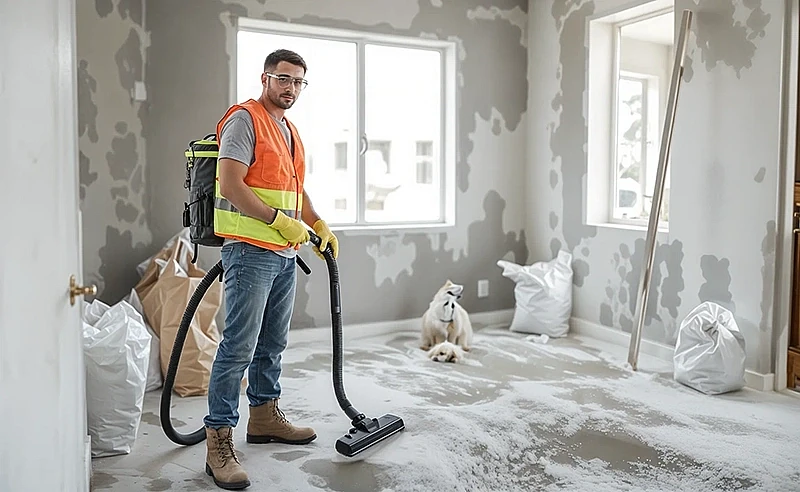
One of the most overlooked aspects of post-construction cleaning is air quality. After renovation, fine particles remain suspended in the air and continue circulating through ventilation systems.
This can lead to respiratory irritation, allergic reactions, and persistent dust accumulation. Professional cleaning addresses not only surfaces but also the indoor environment as a whole.
By using HEPA filtration, deep extraction, and ventilation cleaning, we ensure that the air becomes stable, clean, and safe.
Our Approach
We implemented a structured cleaning process:
Phase 1 – Containment and Dust Control
We isolated zones and began with industrial HEPA vacuuming to prevent further spread.
Phase 2 – Surface Restoration
Glass partitions were treated using non-abrasive polishing systems. Adhesive residues were removed with controlled solvent application.
Phase 3 – Deep Carpet Extraction
Carpets were cleaned using hot water extraction, removing embedded dust and restoring air quality.
Phase 4 – Ventilation Cleaning
Air vents were cleaned to eliminate circulating particles.
Real-World Case Studies
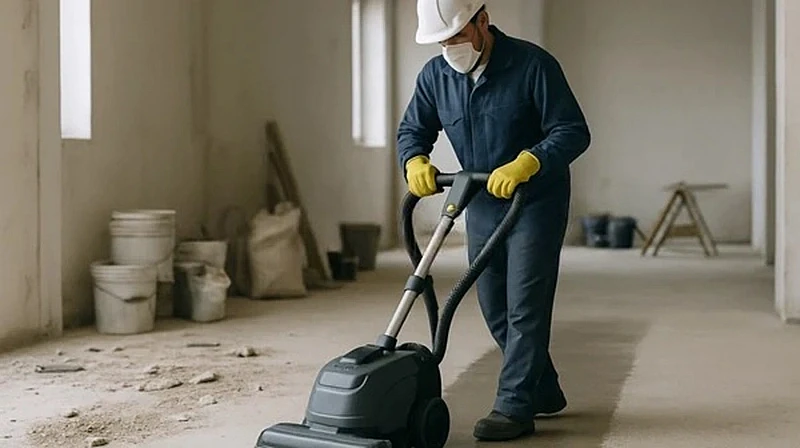
A residential apartment in Kilkenny required urgent cleaning before being rented out. The property had visible paint residue, embedded dust in fabrics, and adhesive traces on flooring. After a full professional cleaning process, including deep extraction and surface restoration, the apartment was ready for occupancy within a single day.
In Carlow, a restaurant undergoing refurbishment faced hygiene concerns due to dust and construction residue in kitchen areas. Professional degreasing, ventilation cleaning, and surface sanitization allowed the business to reopen without delays.
A hotel in Tipperary experienced ongoing complaints after renovation due to persistent dust. The issue was traced to incomplete cleaning and contaminated ventilation systems. After a full re-cleaning process, including air system treatment, guest satisfaction improved immediately.
These cases demonstrate a consistent pattern: partial cleaning does not solve the problem—only professional intervention does.
The Cost of Delayed Cleaning
Delaying professional cleaning often results in higher long-term costs. Contamination becomes more difficult to remove over time, increasing labour requirements and the risk of permanent damage.
In some cases, untreated residue can lead to the need for material replacement, which is significantly more expensive than cleaning. Additionally, delays in preparing a property for use can impact rental income or business operations.
Professional cleaning should be viewed not as an expense, but as an investment in protecting the property.
Common Mistakes Property Owners Make
Over time, several recurring mistakes become clear. Many people use excessive water, which damages materials. Others apply incorrect cleaning agents, leading to discoloration or surface degradation. Some begin cleaning too early, before dust has settled, spreading contamination further.
Another common oversight is ignoring ventilation systems. Even when surfaces appear clean, contaminated air continues to circulate, reintroducing dust into the environment.
Scaling Cleaning for Different Project Sizes
Post-construction cleaning must be adaptable. Small apartments require detailed, precision-focused work, while large commercial sites demand coordinated team operations and industrial equipment.
At Magical Cleaning, projects are divided into zones, allowing teams to work simultaneously while maintaining consistent quality standards. This ensures efficiency without compromising results.
Why Demand Is Growing Across Ireland
Construction and renovation activity continues to increase across Kilkenny, Portlaoise, Waterford, Carlow, and Tipperary. With this growth comes a higher expectation of quality.
Clients no longer accept basic cleaning. They expect professional results, fast turnaround, and environments that are immediately ready for use.
This shift has made post-construction cleaning an essential part of every project.
Today we have a story from one of our staff members about a particularly challenging cleaning job
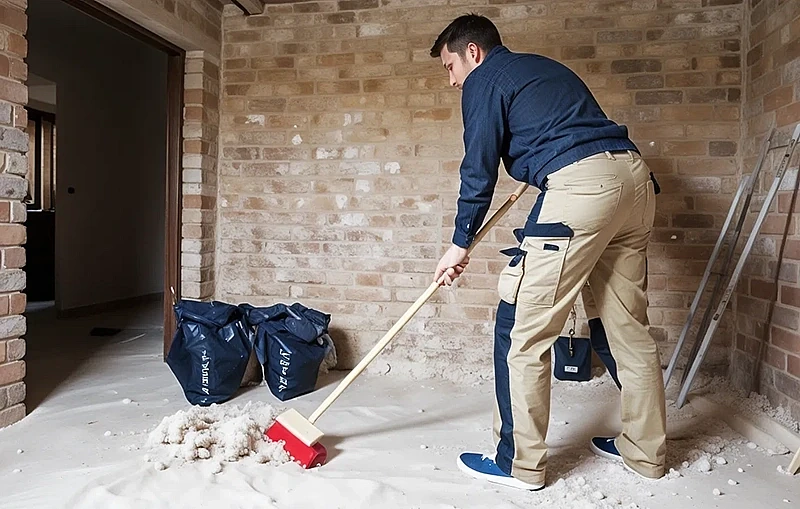
Name: Daniel O’Connor
Work experience: over ten years
Expert level: post-construction and high-risk cleaning environments
My name is Daniel, and I’ve been working with Magical Cleaning for over ten years, specializing in post-construction and high-risk cleaning environments. Over the years, I’ve handled everything from small residential restorations to large-scale commercial sites, but one of the most technically demanding projects I remember took place in Kilkenny, in a recently renovated local school.
The project involved multiple classrooms, corridors, a gymnasium, and administrative areas that had undergone partial structural renovation, repainting, flooring replacement, and electrical upgrades. At first glance, the site appeared relatively clean. The contractors had removed visible debris, and surfaces had been wiped down. However, as is often the case, the real contamination was not immediately visible.
During the initial inspection, I conducted a full contamination assessment. Using both visual checks and tactile evaluation, it became clear that the entire facility was affected by microfine строительная пыль, primarily composed of gypsum, silica, and wood particulates. This type of dust is particularly problematic because of its ability to penetrate porous materials and remain suspended in the air.
One of the most critical findings was the level of contamination in the ventilation system. Fine particles had accumulated inside air ducts and vents, meaning that even after surface cleaning, dust would continue to recirculate throughout the building. In a school environment, this is a serious issue, as it directly impacts indoor air quality and can pose risks to children’s respiratory health.
We structured the project into several operational zones to ensure efficiency and prevent cross-contamination. The first stage involved controlled dry extraction using industrial-grade vacuum systems equipped with HEPA filtration. This was essential to capture airborne particles without redistributing them. Standard vacuum equipment would have been completely ineffective in this scenario.
Once the loose particulate matter was removed, we moved to detailed surface treatment. Each material required a specific approach. Newly installed vinyl flooring was particularly sensitive and required low-moisture cleaning combined with pH-neutral solutions to avoid surface damage. Painted walls, although visually clean, had a layer of fine dust that needed to be carefully removed using microfiber systems designed to trap particles rather than spread them.
Glass surfaces throughout the school presented another challenge. Despite appearing clear, they were covered with a thin film of строительных остатков and micro-abrasive dust. Improper cleaning could have resulted in scratching, so we used non-abrasive applicators and specialized glass cleaning agents to restore clarity without compromising the surface.
The classrooms required special attention. Desks, chairs, and storage units had accumulated dust not only on visible surfaces but also in joints, undersides, and hard-to-reach areas. We performed detailed cleaning using a combination of manual techniques and precision tools to ensure complete removal of contaminants.
The gymnasium was one of the most demanding areas. The flooring, designed for sports use, had strict requirements regarding moisture and chemical exposure. At the same time, it was heavily contaminated with construction dust and residue from installation materials. We applied a controlled cleaning process using low-moisture equipment and carefully selected cleaning agents that would not affect the floor’s performance characteristics.
Perhaps the most complex stage of the project was the deep extraction phase. Soft materials, including seating and acoustic panels, had absorbed fine dust deep into their структуры. For this, we used hot water extraction systems with adjustable pressure and temperature settings. This allowed us to break down and remove embedded particles without damaging the materials.
Simultaneously, another team worked on the ventilation system. We cleaned vents and accessible duct sections to eliminate the source of airborne contamination. This step is often overlooked, but in this case, it was absolutely critical. Without it, the entire cleaning process would have been compromised.
After all major cleaning stages were completed, we conducted a full inspection and moved to the final phase—neutralization and finishing. This included pH balancing of cleaned surfaces, removal of any residual cleaning agents, and odor neutralization. The goal was not just visual cleanliness, but a fully stabilized indoor environment.
The transformation was significant. What initially appeared to be a “clean” building was revealed to be heavily contaminated, and by the end of the process, the school was not only visibly spotless but also safe from an air quality perspective.
From a professional standpoint, this project perfectly illustrates why post-construction cleaning must be approached as a technical discipline rather than a routine task. In environments like schools, the margin for error is extremely small. Every surface, every material, and every system must be treated with precision.
After more than a decade in this field, I can say with confidence that the difference between standard cleaning and professional post-construction cleaning is not just in the results—it’s in the methodology, the equipment, and the understanding of how contamination behaves. This project in Kilkenny remains one of the clearest examples of how critical that difference truly is.
The right choice for you is a professional post-construction clean
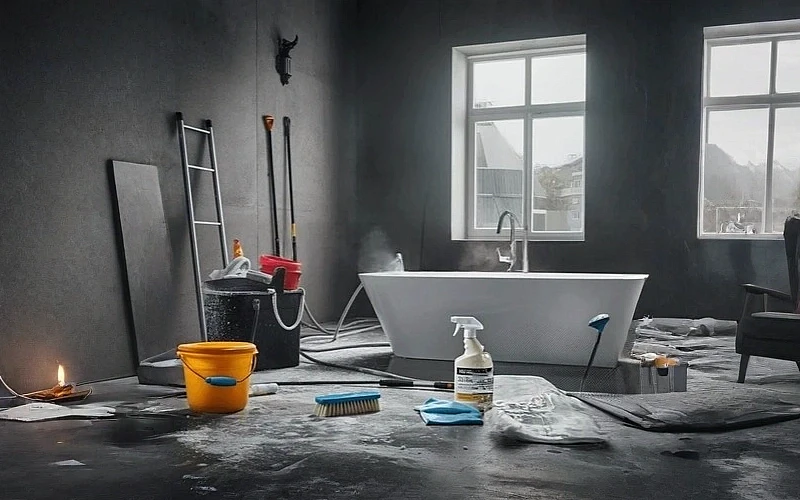
Post-construction cleaning is not a simple service. It is a complex, technical process that combines expertise, specialized equipment, and a deep understanding of materials. At Magical Cleaning, we do more than remove dust and debris. We restore spaces, improve air quality, and ensure that every property reaches its full potential after construction. From residential homes to commercial environments, our approach guarantees that each space is safe, clean, and ready for its intended purpose.
If you need to get your premises up and running as quickly as possible and can’t afford to make any mistakes, why not try Magical Cleaning and book a professional post-construction clean.
