
An Independent Test of Professional Cleaning: My Experience with Magical Cleaning
 McCarthy James2026-05-05
I’ve always had a bit of doubt about hiring a cleaning service. It’s not that I think cleaning is some kind of magic trick—most people can do it—but I kept coming back to the same question: do professionals actually bring something you can’t get on your own if you have enough time, enough energy, and the right supplies?
So rather than leaning on reviews or glossy promises, I chose to see it firsthand. I set up a quiet, low-key test where I could stay anonymous. I didn’t make it a big thing, didn’t hint at what I was doing, and didn’t ask for any special handling—just a normal cleaning job, done in regular, everyday conditions.
I was over at my friend’s place, Emily Carter. She’s the kind of person who’s always on the go, and she really does try to keep everything under control, but a deep, methodical clean almost never makes it onto her schedule. The house didn’t look messy in any obvious way. It felt lived-in and practical, and if you only gave it a quick look, you’d probably call it tidy enough. Still, I couldn’t shake the feeling that there were a few small problems hiding in plain sight, the sort of things you only notice once you’ve spent enough time there to know what to pay attention to.
General cleaning: The Real Condition of the House
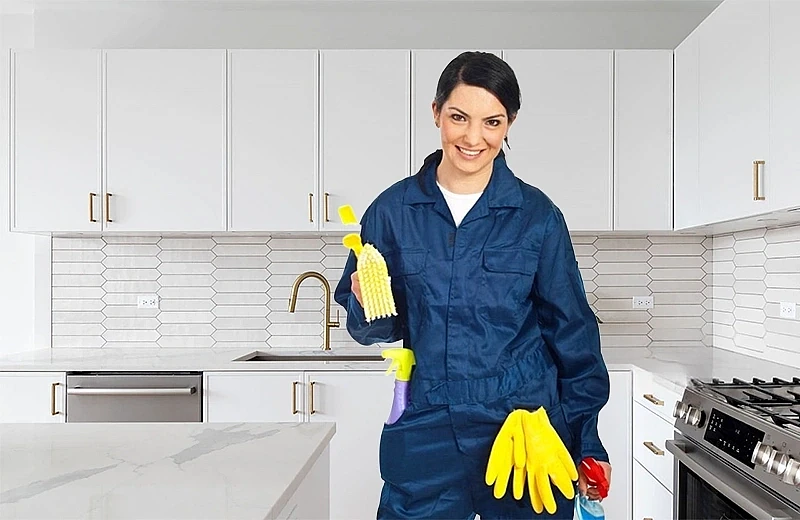
Before the cleaning team showed up, I took a little time to walk through the house and really look at it with a more critical eye. The living room seemed fine at first glance, the kind of “presentable” you’d be comfortable having someone see, but dust had still found the spots people tend to miss—up on the tops of door frames, tucked behind decorative pieces, and along the edges where furniture meets the wall. I slid my fingers across one shelf, and the line it left behind made the point for me.
In the kitchen, the buildup was easier to read once I started paying attention. A thin, barely-there film of grease clung to the cabinet doors and the area around where we cooked. It wasn’t the sort of thing that jumps out right away, but you could feel it in the surface, like the finish had changed. The handles and switches also had that faint residue that comes from being touched every day.
The bathroom had the beginnings of limescale on the taps and the glass. Nothing shocking, nothing that would make you gasp, but enough to suggest that whatever cleaning was happening was mostly keeping things looking decent, not really lifting what was settling in underneath.
The floors backed up the same idea. They were being vacuumed, sure, but fine dust still hung around in the corners and along the edges. The kind that seems to float through the air, settle, get stirred up again, and then quietly return.
So, no, the house wasn’t “dirty” in the obvious way. It was only partly clean, and that’s probably the state most homes end up in—easy to live with, and just as easy to overlook.
The Arrival of the Team

I set up the appointment using my friend’s name, and I didn’t say anything about what I was really hoping to get out of it. When the Magical Cleaning team showed up, they moved with a steady, professional calm that was hard not to notice. Nothing felt hurried, and they didn’t act like they already knew the story of the place. They simply followed a sensible process.
Before they began, they took a moment to look things over. It wasn’t an extended sit-down conversation, just a quick check to understand the space as it was and to spot the areas that would likely need extra care. Even that small step made their approach feel different from the usual cleaning routine.
Smart Preparation: How Magical Cleaning Plans Each Job Before Arrival
One of the less obvious, yet genuinely important parts of a professional cleaning job takes place before anyone from the team sets foot on the property. At Magical Cleaning, it starts with a brief, focused phone call with the client. That first conversation is more than just scheduling a visit; it is a practical way to get a sense of the space and to predict what the work is likely to involve.
As the call goes on, the client is guided through a handful of straightforward, natural questions. They might be asked about the size of the property, what kind of помещение it is (a house, an apartment, or an office), when it last had a proper deep clean, and whether any areas stand out as trouble spots. People often point to visible problems like grease in the kitchen, limescale in the bathroom, or stains on furniture. Even a short description tends to reveal a lot about both the degree of dirt and the kind of contamination the team may face.
With those details in mind, the team begins sketching out an early cleaning plan. This helps them pull together the most suitable mix of equipment and cleaning products ahead of time. If the client’s notes suggest heavy grease buildup, they make sure to pack the right degreasers. If limescale or water marks come up, descaling products and the tools that work best with them are set aside. And if upholstery sounds like it may be involved, they consider in advance whether dry-cleaning equipment might be needed.
Working this way helps prevent a common problem in cleaning: showing up without what is required, or arriving with far more gear than the job calls for. Instead, Magical Cleaning tries to come in prepared but not overloaded, with a setup where each product and each tool has a specific purpose.
Another part of the preparation involves noticing whether there might be additional services the client could use. Now and then, as the conversation unfolds, the team realizes the client may need more than what they originally asked for. A request for general cleaning, for instance, might include windows that look like they need professional attention, or furniture that seems like it would be better handled with a deep clean. The team doesn’t try to push anything extra. They simply keep those possibilities in mind and, once they arrive and take a quick look, they can raise the topic with the client.
At the same time, Magical Cleaning recognizes that a phone call can only go so far, and it can’t replace what you learn by seeing the space in person. For that reason, the preparation stage is treated as an initial step rather than a final decision. When the team arrives on-site, they do a brief visual check to confirm what was discussed and make adjustments if something doesn’t match the original assumptions. That way, the plan stays accurate without becoming rigid.
In day-to-day work, combining pre-planning with an on-site verification tends to make the job run more smoothly. It cuts down on delays, reduces the need for guesswork, and helps the team start working right away with a clear direction, which typically leads to better results for the client.
By taking the time to understand what the client is looking for before the job begins, Magical Cleaning sets each project up with clear expectations from the start—and that clarity often makes the difference in maintaining a consistently professional outcome.
The Process: More Structured Than Expected
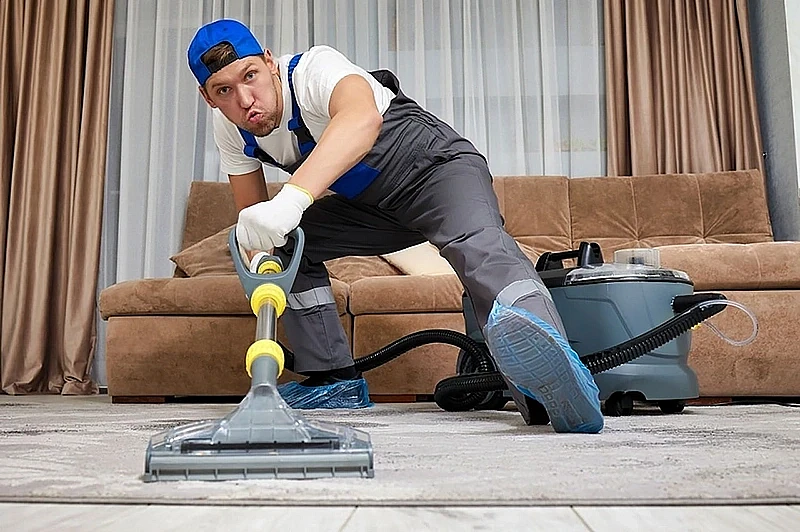
What caught me off guard wasn’t the equipment, even though it was obviously more sophisticated than what you’d expect in an average home. It was the way they sequenced the work.
They started with dry cleaning, using commercial-grade vacuum systems to lift dust. On paper that sounds straightforward, but watching them do it made the difference clear. They weren’t just running a vacuum over open floor space; they moved methodically along edges and into corners, and they didn’t skip higher surfaces either. The point wasn’t to make the room look presentable right away. It was to pull up as much loose debris as they could before any water or product touched the space.
Only then did they shift into surface cleaning. In the kitchen, they chose specific solutions meant to cut through grease. I found myself watching closely, half-expecting the usual streaks or that slightly sticky residue you sometimes get. Instead, everything was left clean in the practical sense, not just in the way it photographed. The surfaces looked right, and they felt right under your hand.
The bathroom followed the same measured approach. Rather than going at limescale with brute force, they let specialized products sit and do most of the heavy lifting, and then they lifted the buildup away carefully. The glass, which had looked cloudy before, ended up clear again.
What stayed with me was how steady their attention was from start to finish. The places people often overlook—skirting boards, tight edges, the seams where one material meets another—were handled with the same care as the main surfaces. There wasn’t that familiar pattern where the obvious areas get all the focus and the rest is treated as optional.
Small Details That Made a Big Difference
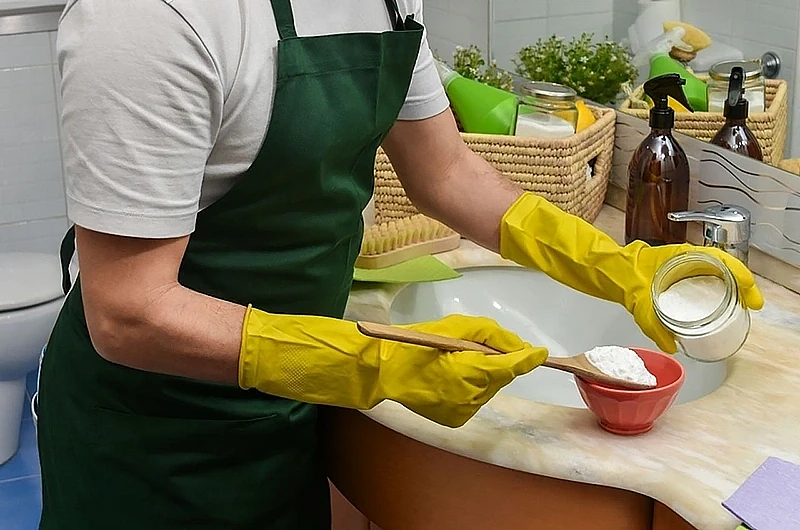
There were several moments during the process that changed my perception of what professional cleaning actually means.
One of them was how they handled high-contact areas. Door handles, switches, and frequently used surfaces were cleaned with noticeable precision. These are areas that most people wipe quickly, if at all, yet they play a significant role in hygiene.
Another detail was how they managed cleaning solutions. There was no excessive use of chemicals, no strong lingering запах. Everything was applied in controlled amounts and fully removed. The result was a space that felt clean without feeling “treated.”
Even the air in the house felt different by the end of the process. It’s difficult to describe, but the absence of fine dust and residues created a noticeably fresher environment.
The Final Result
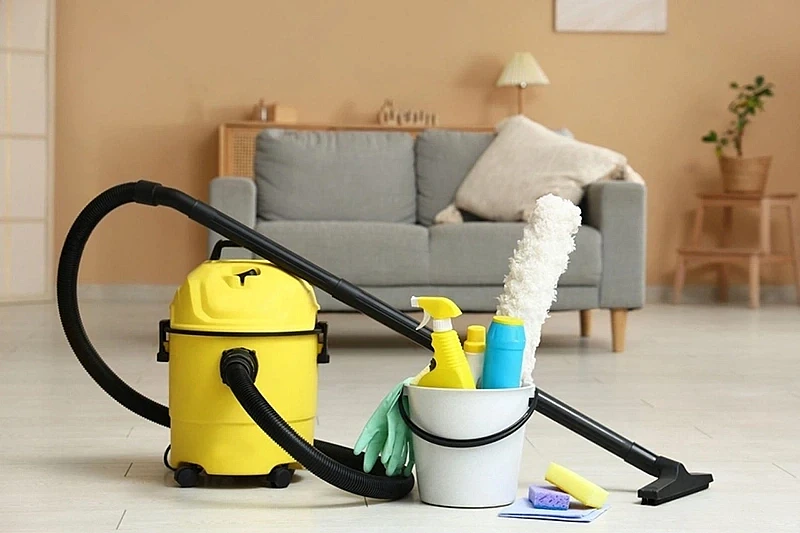
After the team wrapped up and their equipment was out of the way, I took another walk through the house. I moved slowly from room to room, giving each space the same close attention I had used before the cleaning, almost as if I were retracing my steps to compare what I remembered with what was in front of me now.
The change wasn’t only something you could see at a glance. Visually, yes, everything looked noticeably better: counters reflected light instead of swallowing it, glass and fixtures appeared clearer, and the overall look was more even from one corner to the next. Still, what stood out most was how different things felt when I interacted with them. Running a hand along a tabletop didn’t pick up that faint film that sometimes lingers after everyday wiping. Floors didn’t have those slightly gritty patches that show up when dust collects in places you don’t notice until you step on them. Even areas that usually get missed—the edges near baseboards, the quiet spaces behind furniture, the spots around handles and switches—seemed to have been given the same level of attention. It was the absence of small imperfections that made the difference feel real: no hidden residue, no overlooked dust, no sections that felt uneven or only half-finished.
Emily picked up on it right away, too. She didn’t react the way people sometimes do when they’re simply impressed by how tidy something looks. Instead, she paused, looked around, and commented on the atmosphere of the rooms. The place felt more comfortable to be in, as if the house had loosened its shoulders. It seemed lighter and more open, not because furniture had moved but because the space no longer carried that subtle weight that comes from stale air, trapped particles, and surfaces that never quite feel fresh. Even the way she moved through the rooms changed a little, as if it was easier to settle in. Breathing felt easier, and the air didn’t have that faint, dusty “lived-in” quality that can hang around even when everything appears orderly.
For me, that was the most convincing outcome. A professional cleaning, at least when it’s done thoroughly, isn’t only about making a home look presentable in photos or acceptable to visitors. It shifts the environment in a way you can sense while you’re living in it, because it reduces the small, persistent irritations that accumulate over time. The appearance matters, of course, but what stays with you is how the space feels afterward—clean not only to the eye, but in the day-to-day experience of being there.
What This Test Revealed

Going into this, I expected things to be handled with more efficiency, but I wasn’t prepared for how much method there was behind the work.
The real distinction isn’t about working harder. Plenty of people can do a deep clean when they have the time. What sets Magical Cleaning apart is that they rely on structure, specific techniques, and steady follow-through. They don’t simply clean a room; they work through a system so each area is checked and handled the way it should be.
Over time, it also became obvious that day-to-day cleaning habits, even when they help, aren’t really built to keep a place at a consistently high standard. If you don’t bring in professional help from time to time, little problems tend to pile up, and you eventually see it in the overall feel and condition of the space.
A Brief Look at Other Services

While my focus was on general cleaning, it would be incomplete not to mention the broader range of services offered by Magical Cleaning.
Their deep standard cleaning takes the process further, targeting areas that are rarely addressed in routine maintenance. This is particularly useful for spaces that have not been professionally cleaned for extended periods.
The cleaning of tourist flats is tailored for short-term rental properties, where speed and consistency are essential. Preparing a space for new guests requires a different approach than maintaining a private home.
For properties undergoing renovation, post-construction cleaning addresses the unique challenges of construction dust and material residue, which require specialized equipment and techniques.
Their window cleaning service covers both interior and exterior glass, including more complex situations such as commercial buildings or hard-to-reach areas.
Finally, dry cleaning of furniture focuses on restoring soft surfaces without damaging materials, which is often impossible to achieve with standard household methods.
What conclusions might I draw from this?

This wasn’t presented to me as a controlled experiment or a staged demonstration, and nothing about the day felt like it had been arranged for effect. It was a straightforward assignment in an ordinary home, done the way real work gets done: with people moving through their day, the usual constraints of time, and the normal mix of clutter, wear, and lived-in surfaces. The point, as it was explained to me, was to see what happens when a professional team works under everyday conditions, not when everything is prepared to make the outcome look impressive.
As I watched the work unfold, what stood out wasn’t simply that the home ended up cleaner. The difference felt more basic than that, almost like watching two different disciplines. The focus wasn’t limited to what looked good at a glance, or what would read well in a quick before-and-after photo. There was attention to how the space would hold up after the team left, and an awareness that “clean” isn’t only visual. It also relates to how the home feels over time: the comfort of the air, the absence of lingering residues, and the way a room stays easier to maintain because it has been addressed with intention rather than rushed effort.
That’s where the approach seemed to shift from ordinary cleaning into something more structured. The work moved in a sequence that suggested planning rather than improvisation, with decisions that appeared to be made in advance about priorities and methods. Instead of repeating the same household habits with more energy, the team relied on process. It was precise in a way that most daily routines aren’t, partly because everyday life rarely allows for that level of consistency, and partly because most people don’t build their cleaning around a system designed to protect long-term quality and environmental comfort at the same time.
If I had to take one conclusion from the experience, it would be this: professional cleaning isn’t mainly about doing the same tasks “better” in the casual sense. It is about doing them differently, using a level of structure and repeatable precision that is difficult to reproduce when you’re working between meetings, family responsibilities, or the simple fatigue that accumulates during a normal week. What looks like a small difference in method can create a larger difference in outcome, especially when the goal extends beyond immediate appearance and into how the home performs day after day.
I’m James McCarthy, a columnist for Magical Cleaning, and today I’m taking a closer look at how Magical Cleaning operates, and recommending that you take your own look at how profitable, simple, and professional it could be for you.
