
Advanced Commercial Cleaning Solutions by Magical Cleaning
 eugene Webasyst2026-02-22
Technical Approach to Offices, Retail Centres, Restaurants, Pubs, Schools & Government Facilities. Magical Cleaning provides professional commercial cleaning services across: Kilkenny, Portlaoise, Waterford, Carlow, Tipperary. Commercial environments present contamination patterns that are significantly more complex than residential properties. High traffic density, cross-contamination risks, regulatory compliance requirements, and operational continuity constraints demand a structured, technically controlled sanitation strategy.
Advanced Contamination Control in Commercial Environments
The Operational Depth of Magical Cleaning
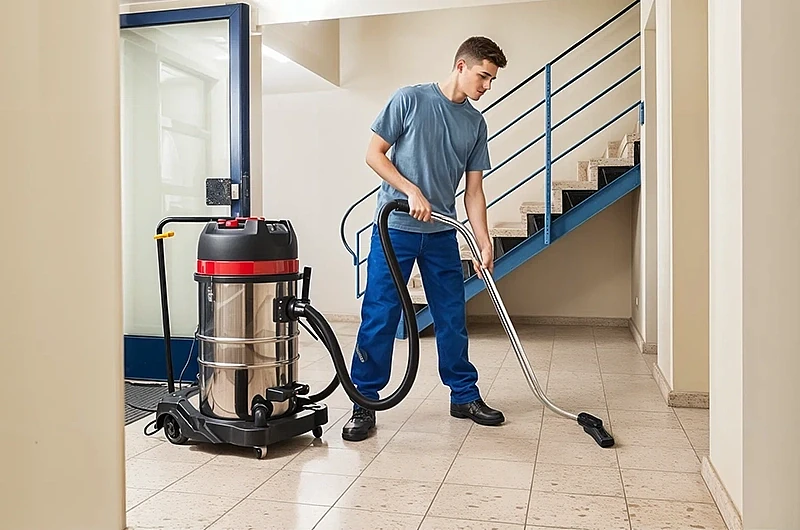
Commercial cleaning is not simply about removing visible dirt. It is about managing microbial load, abrasive wear, surface chemistry balance, and environmental moisture control. In every commercial setting, contamination has its own structure, density, and accumulation dynamics.
Magical Cleaning approaches each facility as a technical system rather than a routine cleaning task. Across Kilkenny, Portlaoise, Waterford, Carlow and Tipperary, cleaning protocols are adapted to building architecture, Irish climate conditions, humidity levels, foot traffic intensity, and regulatory expectations.
Restaurants & Pubs – Bio-Contamination & Grease Load
Hospitality environments face:
- Protein contamination
- Grease aerosol accumulation
- Beverage sugar crystallisation
- Floor slip risk
- Drain odour development
- Cross-contamination risks
The Main In-House Cleaning Failures
- Overuse of degreasers (surface damage)
- Inadequate extraction
- Poor ventilation cleaning
- No ATP verification testing
- Inconsistent sanitisation dwell time
Magical Cleaning Technical Approach for Restaurants & Pubs
Equipment
- High-temperature steam systems
- Rotary floor scrubbers
- Stainless steel polishing systems
- Drain jet cleaning tools
- Microbial fogging units
Cleaning Agents
- Food-safe degreasers
- Enzymatic bio-breakdown solutions
- Acidic descaling agents (for limescale zones)
- Quaternary ammonium disinfectants
Process Control
- Surface classification
- Grease mapping
- Multi-stage degreasing
- Controlled extraction
- Drying time validation
Outcome:
- Regulatory compliance support
- Reduced slip incidents
- Improved hygiene audit results
The Hidden Nature of Commercial Contamination
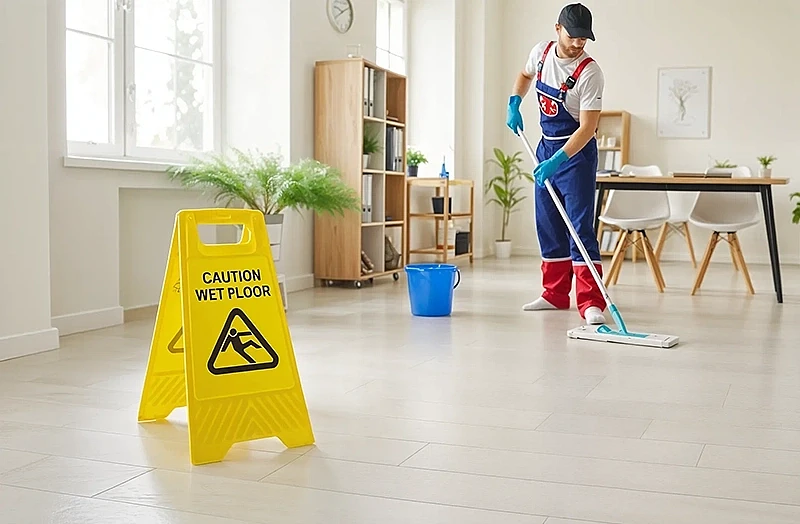
In commercial premises, the primary risk is not visible staining but the gradual accumulation of microscopic contaminants that slowly degrade surfaces.
In office environments, fine particulate dust acts as an abrasive compound. It becomes embedded in carpet fibres and, under continuous foot traffic, effectively cuts and weakens the fibre structure. Without professional deep extraction cleaning, fibre density can decline significantly within 12–18 months, leading to premature carpet replacement.
In shopping centres, the issue intensifies due to Ireland’s wet climate. External sand, grit, and mineral particles are tracked indoors during rainy conditions. Without industrial-grade dry soil removal using HEPA filtration before wet cleaning, these particles are redistributed rather than removed, accelerating surface wear.
In restaurants and pubs, airborne grease aerosol represents a serious contamination factor. Microscopic fat particles settle on ceilings, lighting fixtures, ventilation systems, and wall surfaces. Initially invisible, this layer gradually becomes adhesive, trapping dust and contributing to odour development and bacterial growth.
Schools face increased cross-contamination risks through high-contact surfaces such as desks, door handles, and shared equipment. Without precise disinfectant dwell time control, only partial microbial reduction occurs, allowing resistant colonies to remain active.
Government facilities introduce an additional requirement: preservation of materials, data security sensitivity, and minimal operational disruption. Cleaning in such environments demands both technical precision and discretion.
Offices – Hidden Contamination and Workflow Disruption
Primary Contamination Sources
Modern office environments accumulate:
- Particulate soil (PM2.5 and PM10)
- Skin cells and organic debris in soft seating
- High-touch bacterial load on keyboards and handles
- Coffee and food-based stains
- HVAC dust redistribution
- Carpet embedded micro-particles
The Problem with In-House Cleaning Staff
Internal janitorial teams often face:
- Limited equipment access (no industrial scrubber dryers)
- Insufficient chemical knowledge (incorrect pH selection)
- Time pressure (surface cleaning only)
- No moisture measurement tools
- Lack of contamination mapping
This results in:
- Gradual carpet fibre degradation
- Increased indoor air contamination
- Residue build-up on hard floors
- Cross-contamination between zones
Limitations of In-House Cleaning Staff
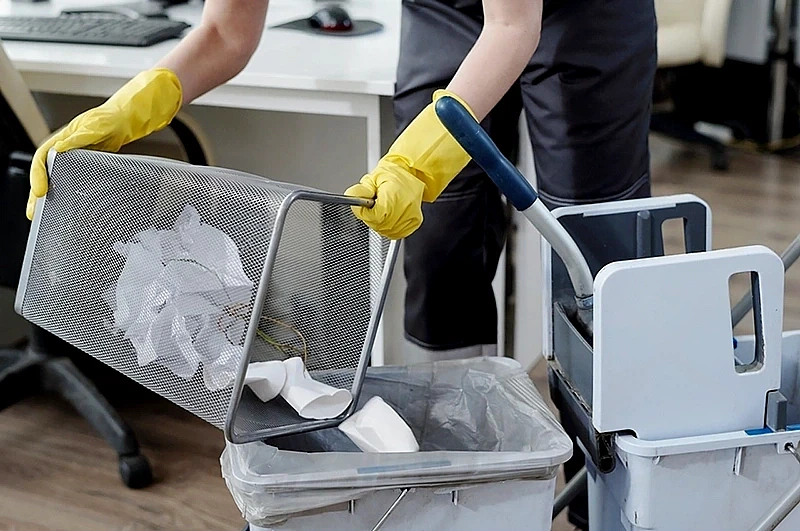
The issue is rarely a lack of effort. More commonly, it is the absence of technical methodology.
Many internal teams rely on general-purpose cleaning chemicals without understanding pH balance and surface compatibility. Continuous use of alkaline detergents on vinyl or sealed flooring gradually breaks down protective coatings. As the surface becomes more porous, it absorbs soil more rapidly, creating a cycle of accelerated contamination.
Excess moisture during manual floor cleaning is another systemic problem. Water penetrates tile joints and subfloor materials, particularly in Ireland’s humid conditions. Over time, this can result in deformation, odour issues, and concealed mould growth.
Manual cleaning methods cannot deliver consistent mechanical pressure across large commercial areas. Uneven force distribution leads to inconsistent wear patterns and reduced floor lifespan.
The Engineering Approach of Magical Cleaning
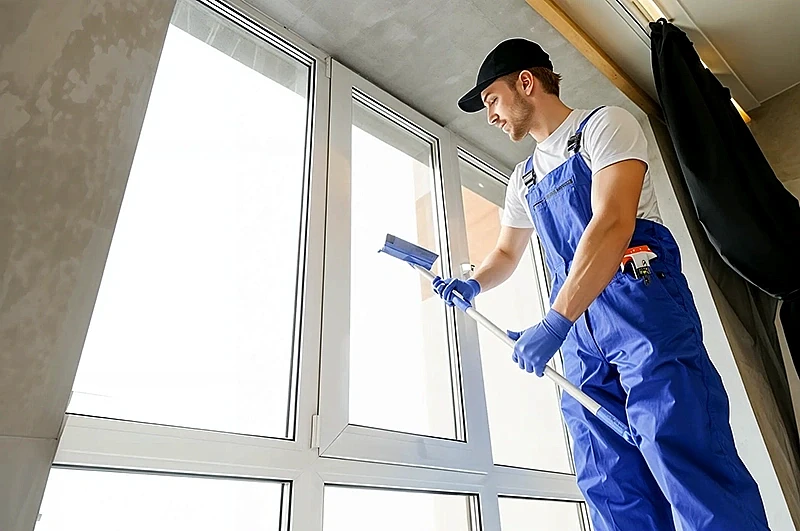
Magical Cleaning implements a structured sanitation model where every zone is assessed based on:
- Surface material composition
- Traffic density
- Microbial exposure level
- Slip risk coefficient
- Ventilation dynamics
Prior to commencing service, a technical audit is conducted. Carpet contamination depth is evaluated, subfloor moisture levels are measured, and grease accumulation is analysed in kitchen and hospitality environments.
In office buildings, H13-class HEPA filtration systems are used, capturing up to 99.95% of particles down to 0.3 microns. This is particularly important in modern sealed-office environments where air recirculation can intensify indoor particulate concentration.
For hard floors, industrial auto-scrubbers with adjustable down-pressure are deployed. Pressure calibration ensures soil removal without damaging protective coatings. Brush rotation speed and solution feed rates are synchronised to prevent over-wetting - a crucial factor in Ireland’s damp climate.
In restaurant environments, degreasing is performed in stages. A specialised emulsifying agent breaks down fat molecules, followed by mechanical agitation and controlled extraction. Drying protocols are strictly managed to prevent microbial resurgence.
In schools and public buildings, low-VOC and low-odour disinfectants are selected to maintain occupant comfort. Electrostatic application technology ensures even surface coverage while reducing chemical waste.
Magical Cleaning Technical Solution for Offices
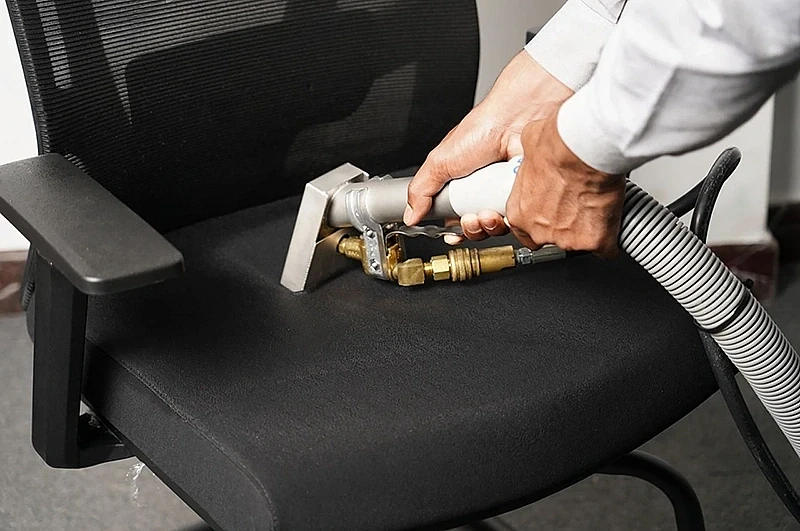
Equipment Used
- HEPA-filtered commercial vacuums (H13 filtration standard)
- Low-moisture carpet encapsulation systems
- Auto-scrubber floor machines (controlled RPM)
- Electrostatic sprayers for disinfectant distribution
- ATP surface testing devices
Chemical Systems
- Neutral pH multi-surface cleaners
- Alcohol-based rapid evaporation disinfectants
- Enzyme-based stain removers
- Anti-static treatments for electronics zones
Technical Process
- Zoning & Risk Assessment
- Airborne particulate reduction
- Controlled floor machine calibration
- Surface dwell-time regulated disinfection
- Moisture control monitoring
Result:
- Reduced absenteeism risk
- Improved indoor air quality
- Extended carpet lifespan by up to 35%
Verification and Quality Control
Professional cleaning must be measurable. In selected commercial contracts, Magical Cleaning uses ATP surface testing to verify the reduction of organic contamination. This allows objective confirmation of hygiene standards beyond visual inspection.
Moisture meters are employed in carpeted and food preparation areas to prevent secondary microbial growth. Controlling residual moisture is particularly important in coastal regions such as Waterford, where ambient humidity levels are higher.
Regional Environmental Considerations
In Waterford, elevated humidity requires enhanced drying strategies to prevent mould risk.
In Kilkenny, heritage and older commercial buildings require gentler chemical solutions to protect traditional materials.
In Portlaoise and Carlow, modern retail and office developments demand high-efficiency machinery capable of servicing expansive open-plan areas.
Across Tipperary, mixed-use properties combining offices and industrial units require differentiated cleaning protocols within the same facility.
Shopping Centres – High Traffic Soil Engineering
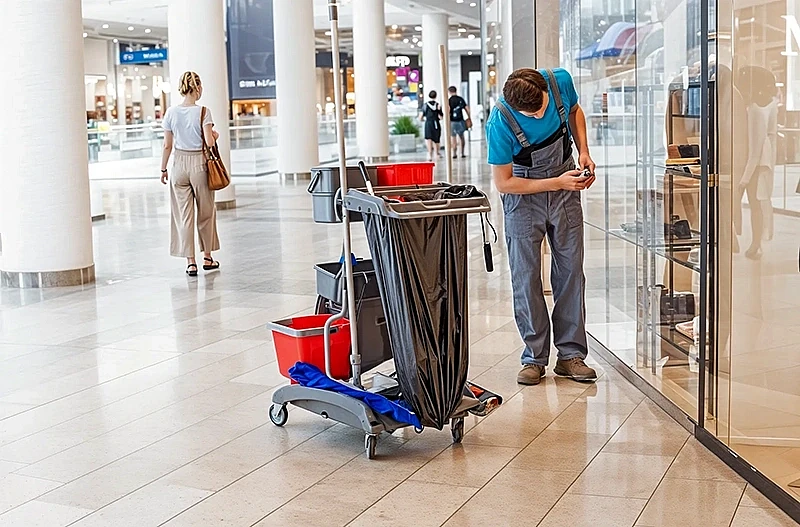
Retail centres experience:
- 3–5x higher footfall contamination load
- Outdoor soil migration
- Escalator rubber residue
- Food court grease aerosol
- Spill frequency spikes
Core Cleaning Challenges
- Rapid re-soiling
- Slip hazards
- Uneven floor wear
- Odour retention in soft seating
In-House Staff Limitations
- No industrial ride-on scrubbers
- No soil suspension pre-treatment
- Inconsistent chemical dilution
- Reactive rather than preventive cleaning
Economic Perspective
Without structured professional maintenance, commercial flooring lifespan can decrease by 30–40%. Replacement of commercial carpeting or vinyl flooring in a retail centre represents a significant capital expense, whereas scheduled professional deep cleaning constitutes a fraction of that cost.
Additionally, reduced microbial load contributes to fewer employee sick days. Even a modest 5% reduction in absenteeism can offset a substantial portion of outsourced cleaning investment.
Schools – Infection Control & Safe Environments
Schools accumulate:
- Viral contamination on desks
- Floor abrasion soil
- Gum adhesion
- Washroom bacterial growth
- Dust accumulation in HVAC systems
Challenges with Internal Staff
- Limited infection control training
- Inconsistent chemical dwell times
- Budget restrictions
- No microbial validation testing
Magical Cleaning School Protocol
- Colour-coded zone cleaning
- Electrostatic disinfectant application
- HEPA air purification cycles
- Low-VOC certified cleaning agents
- Night sanitation cycles
Measured improvements:
- Reduced microbial transfer points
- Lower airborne particulate levels
- Increased environmental hygiene scores
Final Case Study: Large-Scale Shopping Centre Cleaning
Specialist: Declan Murphy
Senior Commercial Cleaning Operations Manager, Magical Cleaning
One of the most technically demanding commercial projects I have overseen in recent years took place in Kilkenny at the well-known MacDonagh Junction Shopping Centre. The facility is a high-footfall retail complex combining fashion stores, cafés, supermarkets, shared corridors, escalators, food outlets, and multi-surface flooring zones.
What made this project particularly complex was not simply the size of the centre - it was the accumulated layer of operational contamination that had developed gradually over time.
Below, I will describe the situation in two parts: first, the problems we encountered; second, the technical solutions we implemented and the recommendations I would give to any commercial property manager.
Initial Assessment: The Problems We Identified
When we were first contacted, the centre management expressed concerns about several issues: declining floor appearance, recurring odours near food court areas, increased slip risk during wet weather, and negative customer feedback regarding general cleanliness despite regular in-house cleaning.
On visual inspection, the floors appeared reasonably maintained. However, as professionals, we never rely solely on surface appearance. We conducted a structured contamination audit.
1. Embedded Abrasive Soil in Main Corridors
The primary pedestrian routes showed visible dulling of tiled flooring. Under magnified inspection, we observed embedded micro-abrasive particles - primarily sand and fine grit tracked in from outside. Given Ireland’s frequent rainfall, wet footwear significantly increases soil transfer.
The issue was not lack of cleaning frequency. The internal team cleaned daily. The problem was mechanical limitation: mopping redistributed abrasive particles instead of extracting them. Over time, this created micro-scratches across the tile surface, reducing gloss levels and increasing porosity.
2. Escalator and Entrance Zone Residue
Entrance matting systems were insufficiently deep to capture incoming soil load. As a result, contaminants migrated beyond transition zones. Additionally, escalator rubber edges accumulated compacted grime composed of dust, oil, and cleaning residue. This not only affected aesthetics but also posed safety concerns.
3. Grease Aerosol in Food Court Ceiling & Lighting
One of the more serious findings was in the food court area. Airborne grease from cooking operations had formed a nearly invisible adhesive film on light fittings and upper wall sections. Over time, dust adhered to this layer, creating dull surfaces and contributing to odour retention.
Standard daily wipe-down routines do not address elevated surfaces above eye level. This is a common oversight in retail complexes.
4. Slip Risk After Rainfall
We performed a slip-resistance test following rainfall. Results showed reduced traction coefficients in certain polished tile areas near entrances. The root cause was detergent residue layering combined with insufficient rinse extraction. When moisture interacted with residue, surfaces became temporarily more slippery.
5. HVAC Dust Recirculation
Air vents located above central corridors showed dust build-up. In high-traffic shopping centres, HVAC systems can redistribute fine particulate matter, especially when filtration schedules are not tightly controlled. This contributed to rapid re-soiling even after cleaning.
Technical Solution: Step-by-Step Remediation Strategy
After presenting our findings, we proposed a structured intervention programme divided into phases.
Phase 1: Dry Soil Extraction and Abrasive Removal
Before introducing any moisture, we deployed industrial HEPA H13 filtration vacuum systems across all primary corridors. This stage removed fine particulate matter that mopping alone cannot extract.
The importance of this step cannot be overstated. Wet cleaning without prior dry extraction simply suspends and redistributes soil.
Phase 2: Controlled Mechanical Floor Restoration
We used adjustable-pressure auto-scrubber machines calibrated to the specific tile hardness. Pressure settings were carefully selected to avoid further micro-surface damage.
A neutral pH floor cleaner was applied with controlled dwell time to break down accumulated detergent residue. Simultaneously, a low-foam extraction process ensured complete solution recovery. Moisture levels were measured to confirm safe drying times, particularly important in Ireland’s humid conditions.
Phase 3: Entrance System Upgrade
We recommended extending entrance matting depth to increase soil capture efficiency. Additionally, we implemented a high-frequency vacuum protocol for these zones, significantly reducing abrasive migration.
Phase 4: Food Court Degreasing at Height
For elevated surfaces, we utilised controlled-access platforms and applied food-safe emulsifying agents specifically designed to break down aerosolised grease.
The degreasing process involved staged application: first, chemical emulsification; second, light mechanical agitation; third, controlled wipe-down and rinse. We ensured no chemical residue remained that could attract dust again.
Phase 5: Slip Risk Mitigation
After residue removal, we conducted a post-clean slip-resistance verification. Results showed a measurable improvement in traction coefficient. This reduced potential liability exposure for centre management.
Phase 6: HVAC Surface Cleaning Coordination
While we do not replace ventilation engineers, we coordinated surface-level vent cleaning and recommended filtration schedule adjustments. Reducing airborne particulate return helped extend the cleanliness cycle.
Results Achieved
Within two weeks of intervention:
- Gloss level on primary floors visibly improved without refinishing.
- Slip test results returned to safe range benchmarks.
- Odour presence in food court areas significantly declined.
- Customer satisfaction feedback improved according to management reports.
- Maintenance frequency could be optimised due to improved baseline condition.
Most importantly, we shifted the centre from reactive cleaning to preventive maintenance.
Key Lessons & Recommendations
From a professional standpoint, there are several takeaways any shopping centre operator should consider.
First, frequency does not equal effectiveness. Cleaning daily with inadequate equipment can still allow gradual surface degradation. Mechanical extraction power and filtration quality matter more than simple repetition.
Second, moisture control is critical in Ireland’s climate. Excess water left behind during cleaning can interact with detergent residue, increasing slip hazards and accelerating floor wear.
Third, elevated surfaces must be included in cleaning strategy. Grease aerosol and dust accumulation at height contribute directly to air quality and odour perception.
Fourth, entrance systems are not decorative - they are contamination control tools. Proper matting depth can reduce indoor soil load by a significant margin.
Finally, professional auditing should be performed periodically. Waiting until visible deterioration appears often means restorative work becomes more expensive.
Final Thoughts from Declan Murphy
Shopping centres are dynamic environments. Every day thousands of shoes carry in moisture, grit, organic material, and pollutants. Without a structured contamination management system, these materials silently damage flooring, compromise air quality, and increase operational risk.
At Magical Cleaning, our role is not merely to clean - it is to preserve assets, protect public safety, and extend infrastructure lifespan. In facilities such as MacDonagh Junction, success is measured not only by visual shine but by measurable improvements in traction safety, reduced residue levels, and longer surface durability. Commercial cleaning is a technical discipline. When approached methodically, it transforms from a cost centre into a risk-management and asset-preservation strategy.
And that is precisely how we approach every project - not only in Kilkenny, but across the wider region wherever professional standards are required.
